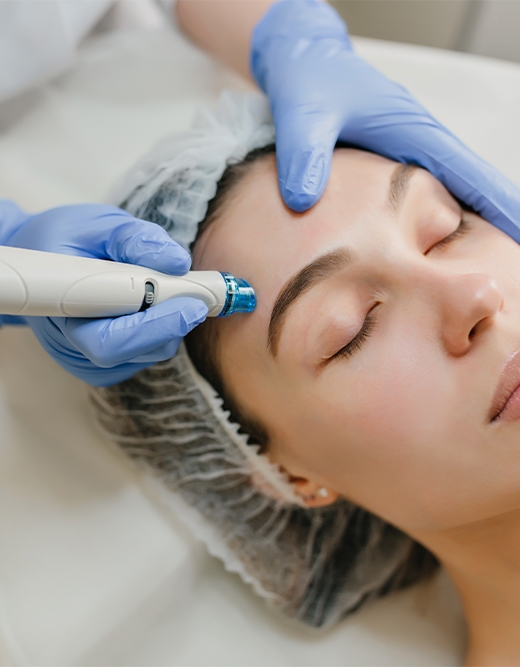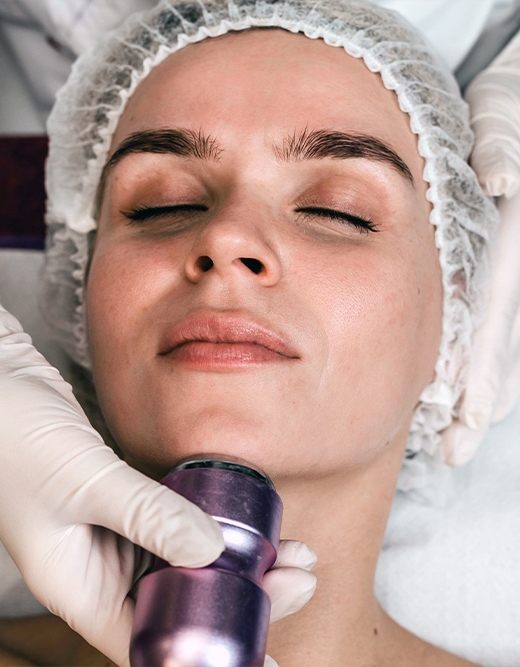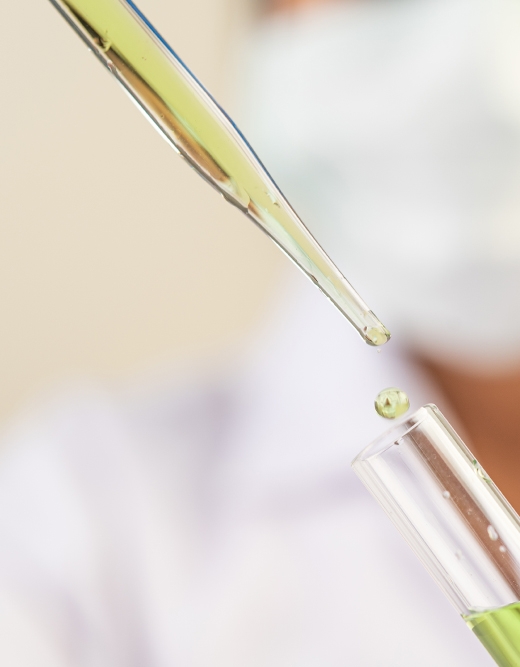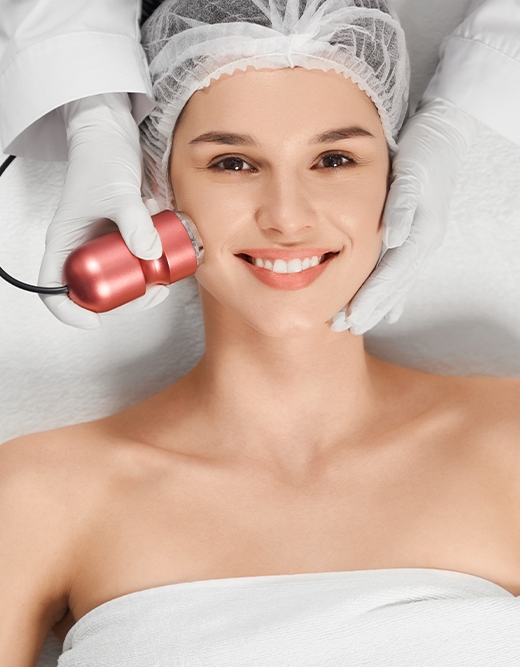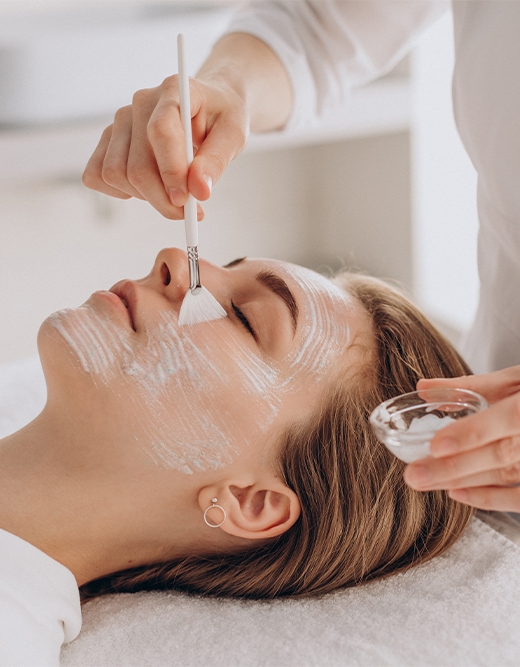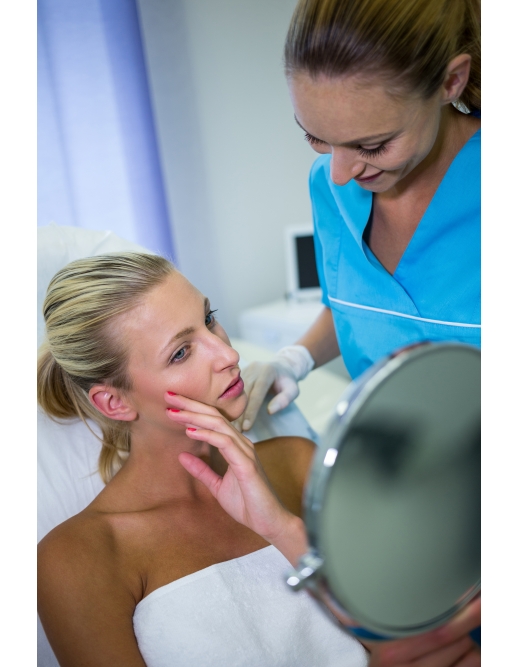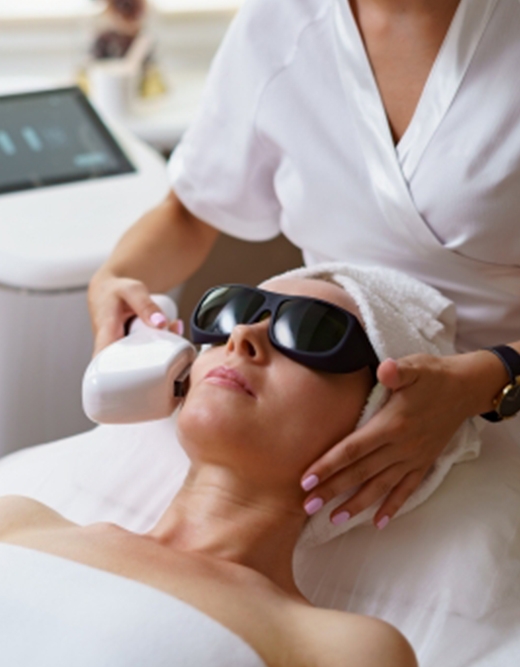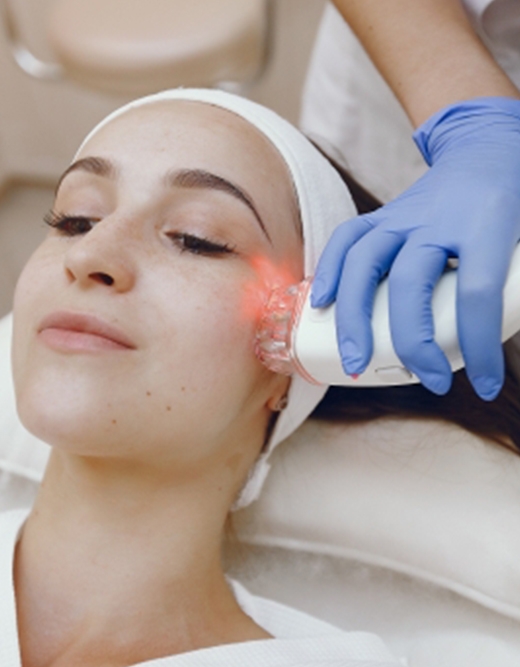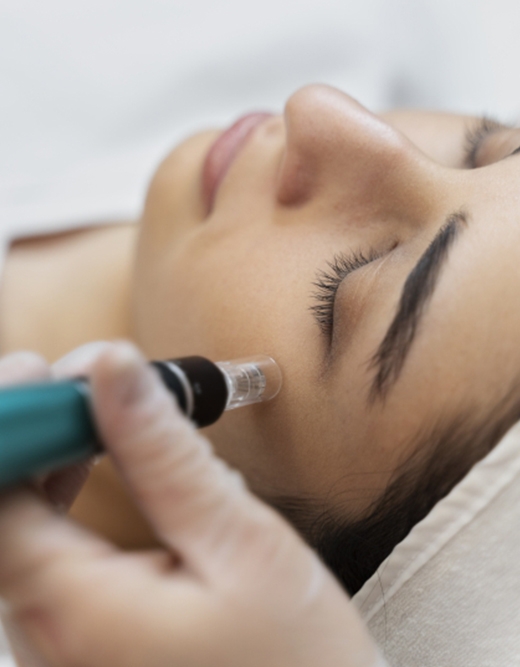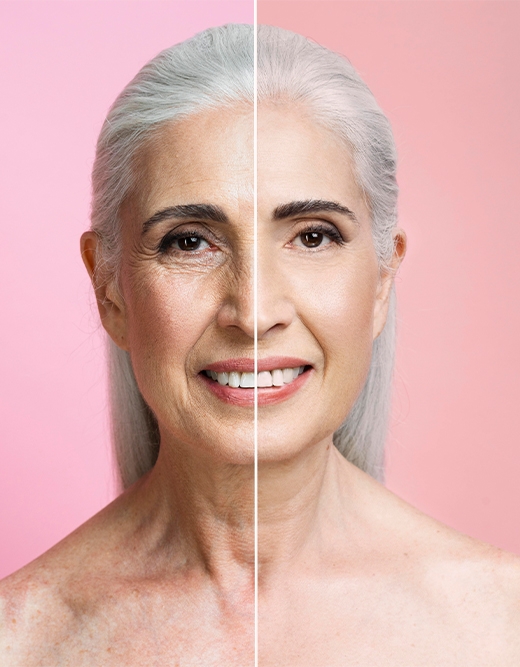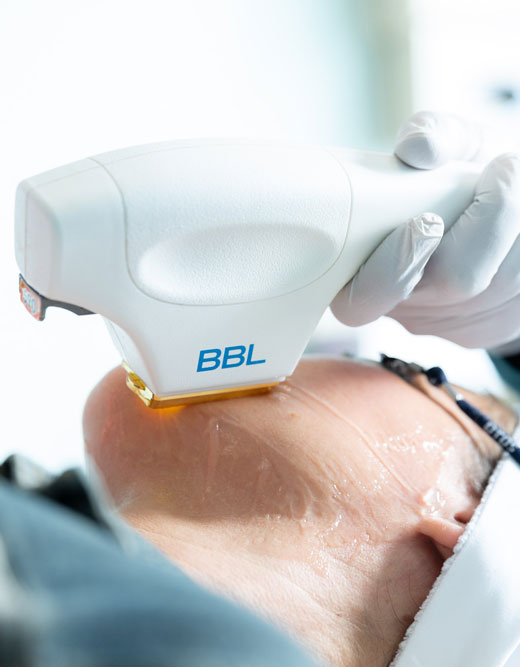

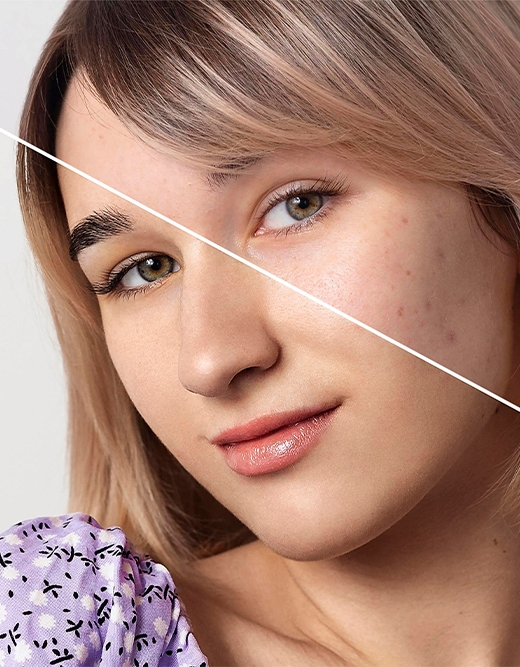
Chemical peels are an excellent option to consider in your anti-aging skin care routine. Chemical peeling, by applying a suitable acid to the skin, causes the top layer of the skin to be shed in a controlled way and a restructuring in the lower layers of the skin; Stimulates collagen synthesis, resulting in a younger and healthier skin.
What are the Application Areas?
+ Acne skin
+ Oily skin
+ Enlarged pores
+ Superficial scars
+ Sun-induced aging
+ Superficial wrinkles
+ Melasma
+ pale skin
What are Chemical Peel Ingredients?
+ Trichloroacetic (TCA) peel (trichloroaceticacid)
+ Lacticpeel (lacticacid)
+ Glycolicpeel (glycolicacid)
+ Melanostoppeel (6% phyticacid, 10% resorcinol, 20% azelaicacid)
+ Jessnerpeel (8% citricacid, 14% salicylicacid, 14% lacticacid)
+ Mandelicpeel (mandelicacid)
How Is Chemical Peel Categorized?
Peels are classified by depth. Mostly, superficial and medium-depth peeling applications are made. Instead of deep peeling applications, laser peeling methods are more preferred.
What is the Frequency and Number of Chemical Peeling Applications?
Depending on the depth of the peeling, it is applied between 1-3 weeks and between 3-10 sessions depending on the condition of the person.
What Kind of Changes Happen to the Skin During and After Chemical Peeling?
Burning and stinging are felt during chemical peeling applications. After the application, very little redness, crusting and dryness occur in superficial peelings and this does not affect daily life. After medium-deep chemical peeling, temporary redness, crusting and peeling occur for 5-7 days.
In order to achieve the best results, a moisturizing cream suitable for the skin and a sunscreen cream should be used.
Chemical peeling application in Adana, Dr. Made by Pınar Bozkurt.