

Specialist in Adana for urticaria disease and its treatment. Dr. You can make an appointment with Pınar Bozkurt dermatology clinic.
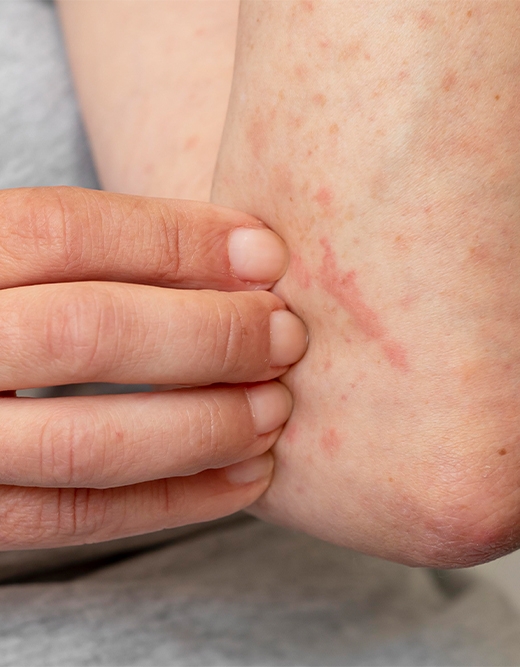
Urticaria (hives) is a common disease characterized by the appearance of red, raised and itchy lesions on the skin and disappearing within 24 hours. If these complaints are shorter than 6 weeks, they are called acute, and if they continue for longer, they are called chronic urticaria. In some patients, urticaria attacks develop after triggering factors. These; infections, physical factors (pressure, cold, exposure to the sun), drugs, food, body temperature increase, sweating (cholinergic urticaria) and some substances that come into contact with the skin (contact urticaria).
Findings in the form of swelling, swelling, itching or burning-stinging sensation that occur deeper in the skin are called angioedema. It often occurs on the eyelids, lips and sometimes inside the mouth. It can also be seen in the form of itching, swelling and pain on the hands and soles of the feet. When the inside of the mouth is affected, it can lead to serious findings such as shortness of breath and difficulty in swallowing.
Treatment is determined by the patient's clinic. To prevent urticaria, triggering factors should be avoided.
Urticaria (hives)
Urticaria, commonly known as hives, can be defined as an allergic skin rash.
Urticaria is divided into acute and chronic. Acute urticaria lasting up to six weeks; Those that exceed 6 weeks are called chronic urticaria. However, acute attacks may occur from time to time over the years.
What are the symptoms of urticaria/hives?
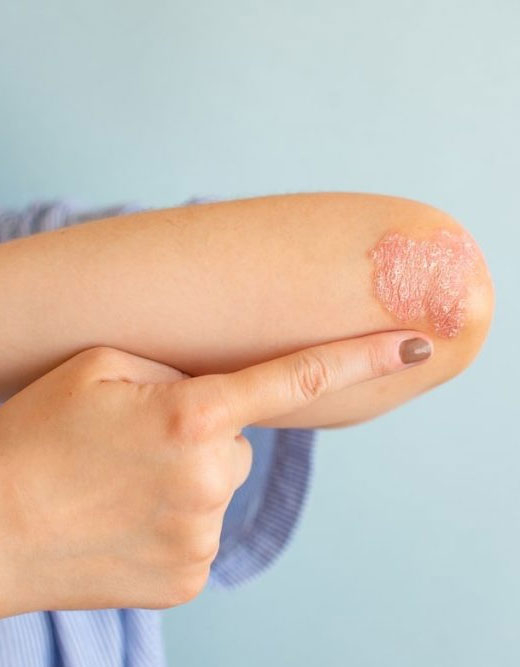
The skin manifestations of urticaria are red, hard bumps that can be seen all over the body. They are very variable in size, can be 1-2 mm or in the form of plaques covering large areas. The blisters are mostly itchy, the itching increases at night. The clinical picture may be exacerbated in the evening and during the menstrual period. Rarely, blisters can be seen on them. Lesions usually disappear within 24 hours without leaving any traces.
Severe swelling of the lips and eyelids may occur.
Symptoms that affect the whole body such as urticaria, vomiting, weakness, headache, abdominal pain, diarrhea, joint pain (arthralgia), dizziness, fainting (syncope) can also be observed.
Acute Urticaria - Hives
The cause may not be found in 50% of acute urticaria. Medications, foods, food additives, implants, contact allergens (ingested) and inhalant allergens (inhaled) may be responsible. The reaction develops within minutes.
+ In acute urticaria that occurs against drugs, symptoms are usually seen within 36 hours after taking the drug. The most common drugs are antibiotics (especially penicillin, cephalosporin, tetracycline, and sulfonamides). However, acetylsalicylic acid, non-steroidal anti-inflammatory drugs, radiocontrast agents, plasma expanders, local and systemic anesthetics can also cause acute urticaria. Previous exposure to drugs, familial predisposition, intermittent and multiple drug treatment are among the factors that increase the risk of acute urticaria.
+ Acute urticaria developing against food is common and most of them are not reported. In food allergies, the nutrient alone may be responsible, or the added spices may contribute. Fish, meat, milk, cheese, eggs, peanuts, tomatoes, potatoes, legumes, celery, parsley, carrots, spices, rice, strawberries, bananas, apples, oranges, pineapples, avocados can be allergens. Usually, urticaria develops within minutes, but there are cases where urticaria lesions occur after the food is digested. Rarely, there are foods that cause urticaria when exercised immediately after ingestion. These; wheat, nuts and shellfish.
+ Bee stings, vaccines, blood products are also among the triggers for acute urticaria.
+ Epstein-Barr, Non-allergic urticaria may develop after hepatitis B virus, streptococcal upper respiratory tract infections.
Chronic Urticaria
Conditions where urticaria symptoms persist for more than 6 weeks are called chronic urticaria. Although the factor causing chronic urticaria is rarely detected, triggering agents are investigated.
Potential triggers in chronic urticaria can be listed as follows:
+ Medicines; penicillins, salicylates and other non-steroidal anti-inflammatories.
+ Nutrients and nutritional additives; food-related chronic urticaria was only detected at a rate of 3.5%. Nutritional additives (such as tartrazine, azo dyes, sodium benzoate) are responsible for 10% of chronic urticaria.
+ Infections and infestations (infections caused by parasites); viral infections, dental abscesses, urinary infections, gall bladder infections, sinusitis, intestinal parasites, hydatid cyst, helicobacter pylori.
+ Inhalant allergens; fescue pollen, mold spores, animal dander, house dust mites, cigarette smoke, chemical allergens.
+ Systemic diseases; lupus erythematosus, Sjögren's syndrome, IgM macroglobulinemia, more rarely thyroid diseases and lymphoma.
+ Menstrual personal cycle (menstrual period) and pregnancy; Urticaria may flare up in the premenstrual period. If it occurs only during menstruation, progesterone or estrogen sensitivity is suspected.
+ Implants: metals placed in the femur, metal dental prostheses, amalgam used in dental fillings.
+ Psychological reasons; depression and anxiety (anxiety disorders).
How to diagnose Urticaria - Hives?
+ Clinical diagnosis methods are the same in all urticaria types. If the red, edematous rash cannot be seen, the patient's history aids the diagnosis.
+ The duration of the rash, the presence of systemic (affecting the general body) complaints and possible etiological factors are investigated.
+ Various tests can be performed in the diagnosis of urticaria, such as complete blood count, hemogram, erythrocyte sedimentation rate, thyroid function tests, blood biochemistry, complement levels, serum immunoglobulins, serum proteins and electrophoresis, autoantibodies, total IgE and RAST. In addition, skin tests and infection focus research can also be done. In treatment-resistant cases, biopsy may be required.
+ Physical stimuli can be pressure, heat, cold, water, sun rays. There are special tests to detect all of them, but they must be performed in a fully equipped hospital as they carry risks.
Urticaria - Hives Treatment
+ During the treatment phase, the patient should first be given detailed information about the disease. H1 antihistamines take the first place in the treatment.
+ Conditions for success in treatment; Questioning the cause by talking to the patient is a good patient-physician relationship and a good follow-up.