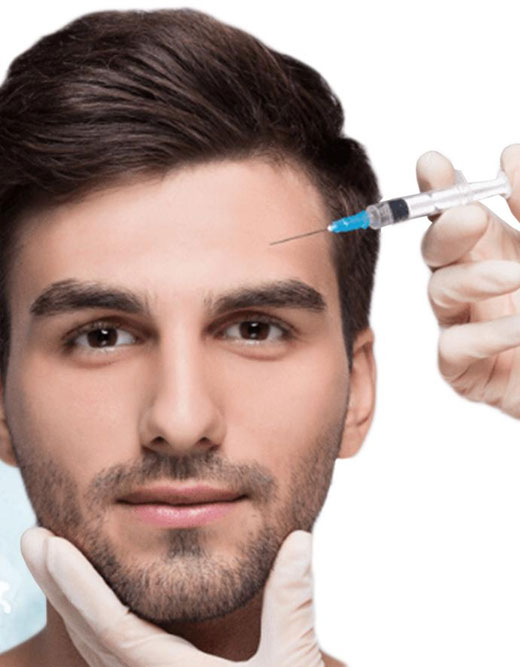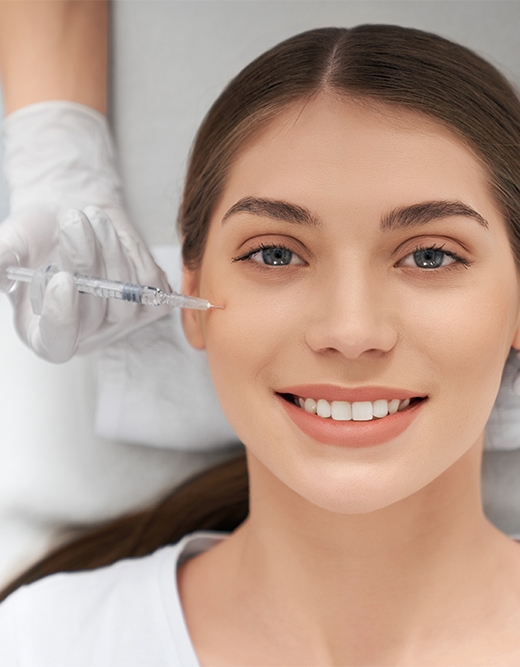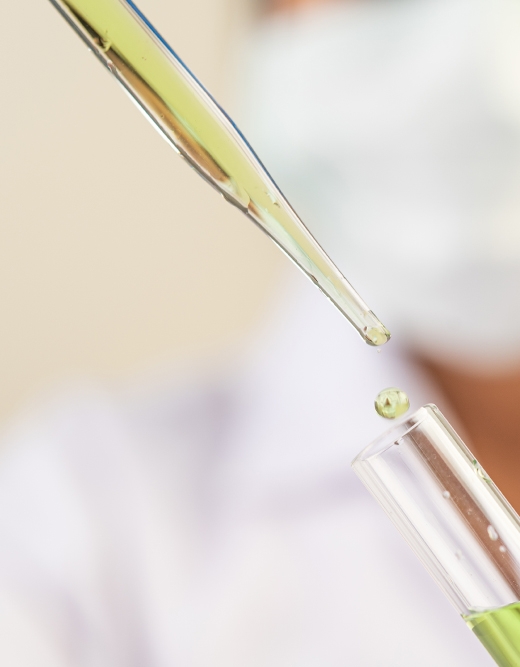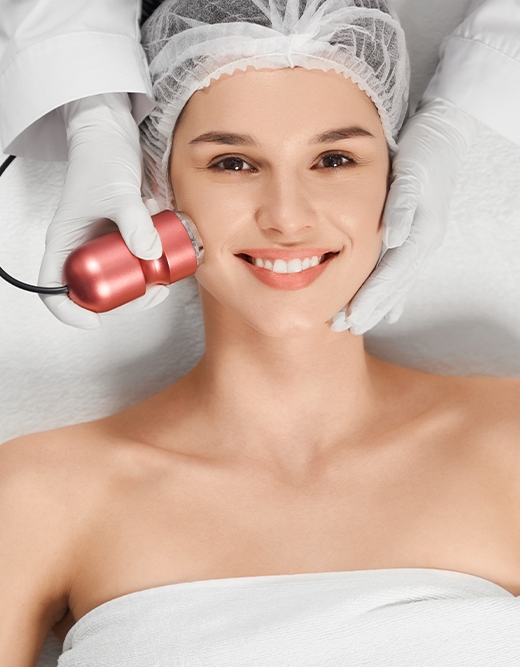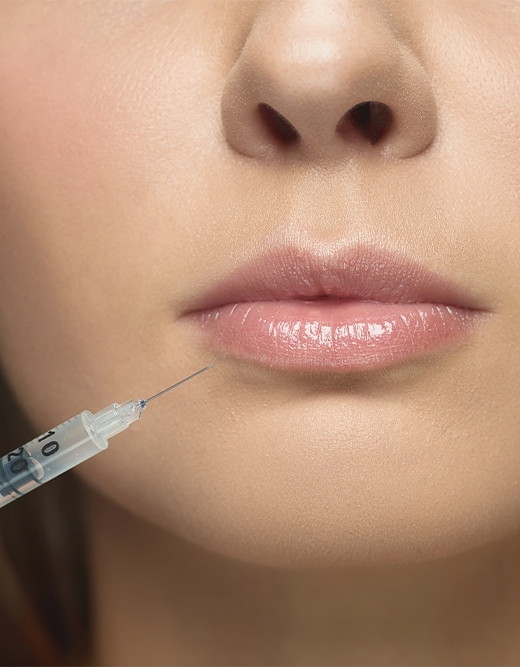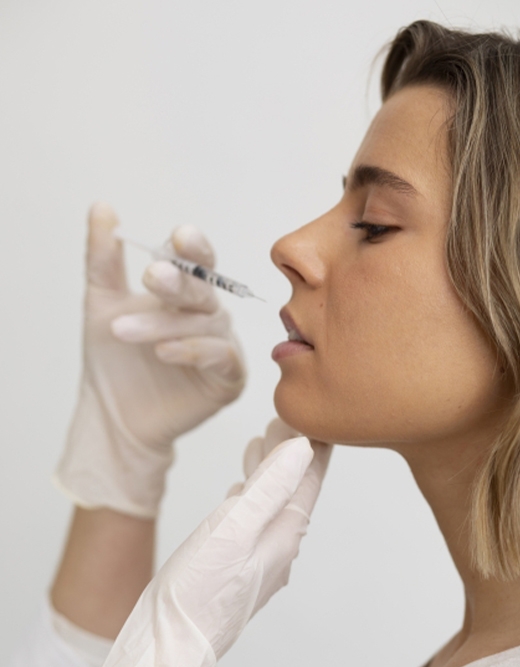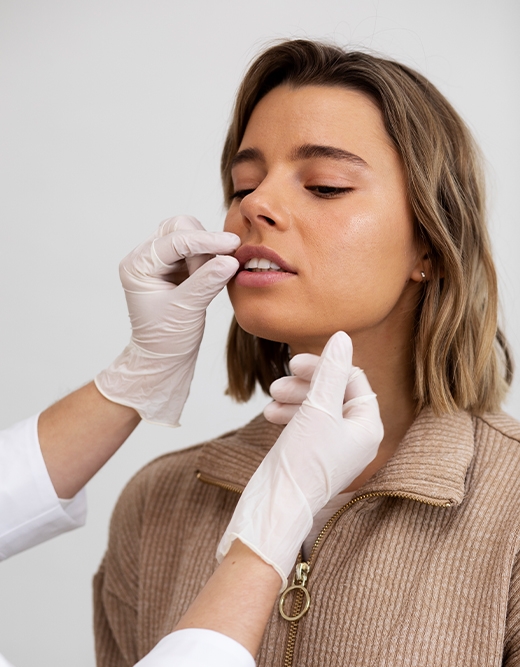

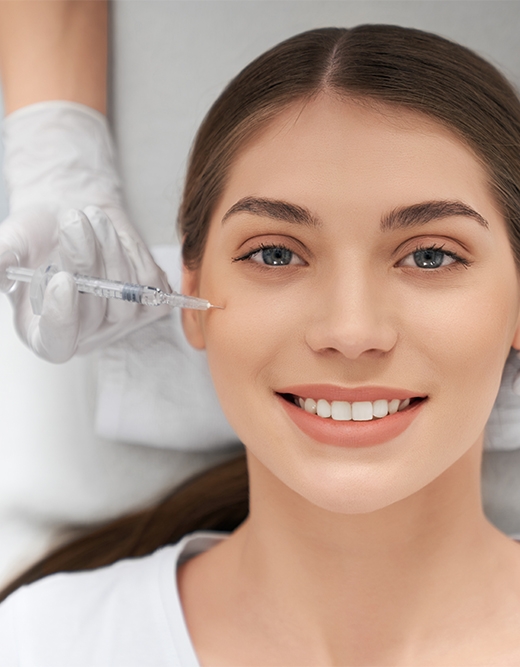
PRP is the abbreviation of the treatment method called “plateletrich plasma-clot cell enriched plasma”. In this application, a small amount of blood taken from the person is placed in a special tube and centrifuged. Plasma enriched with clot cells containing growth factors is separated and given back to the same person by injection. PRP, which is used in different fields in medicine, has become a frequently used method in the fields of tissue regeneration, cosmetic dermatology, orthopedics and dental surgery.
How Does PRP Work?
Filled with growth factors, these clot cells work quickly and effectively in repairing tissues and cells.
Growth factors not only enable keratinocytes and fibroblasts to regenerate tissue, but also assist in the formation of new blood vessels that supply oxygen and nutrients to heal skin tissue.
How is PRP Applied?
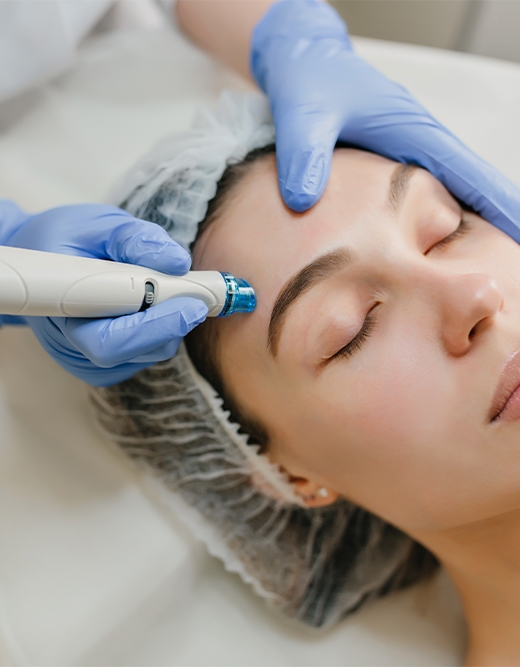
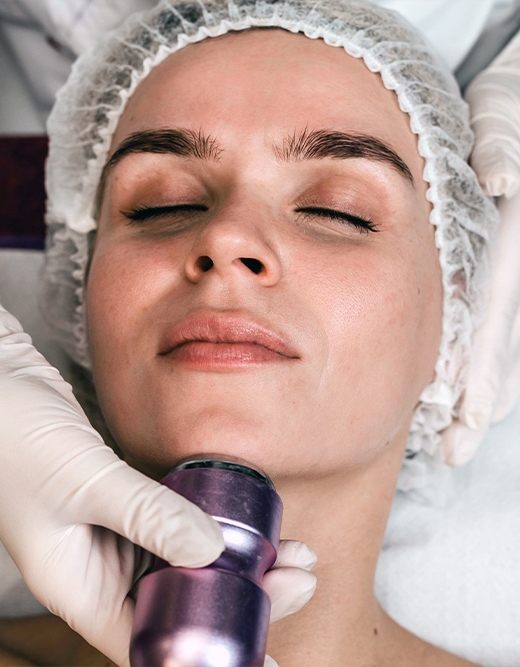
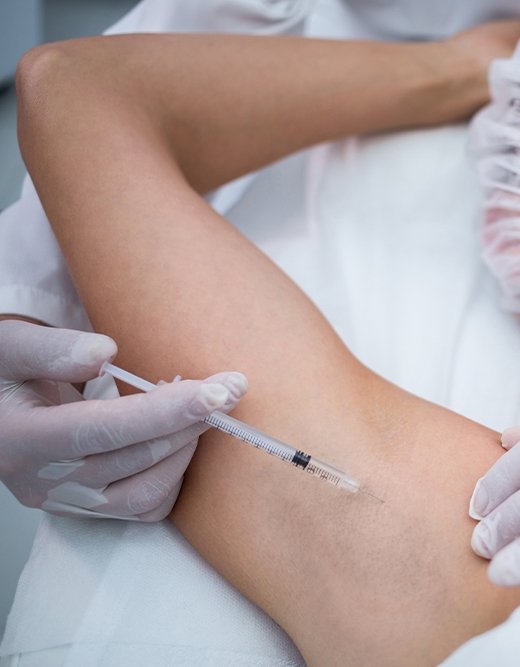
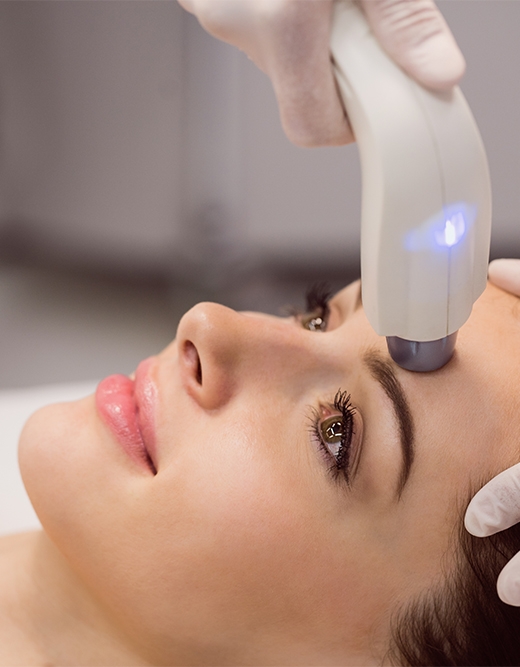
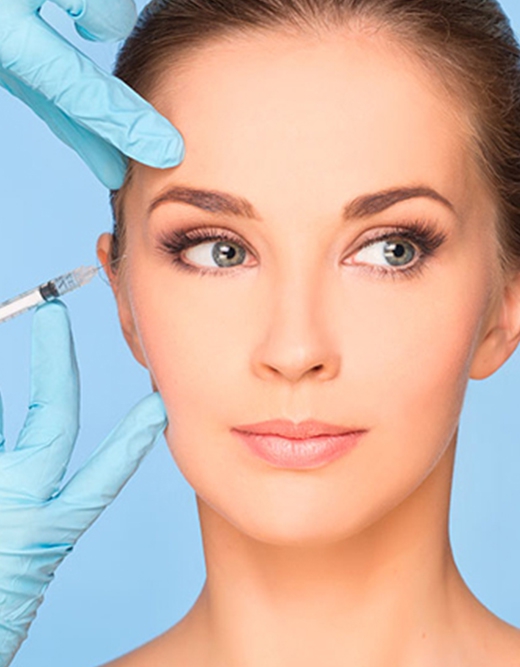
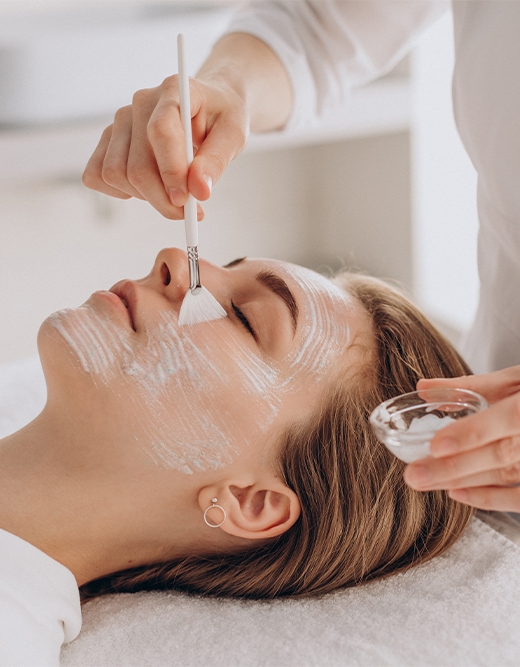
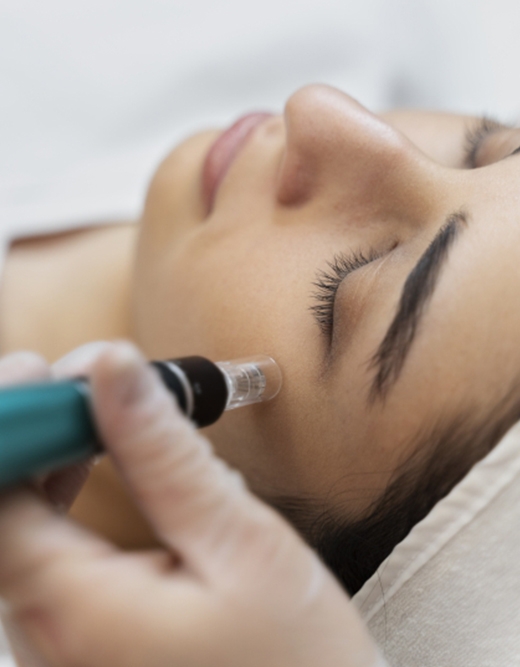
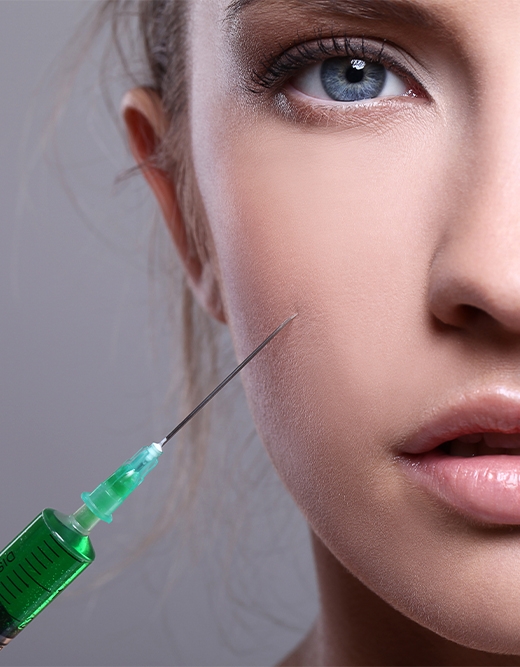
The plasma obtained in PRP treatment is given under the skin with the help of very fine needles. In addition, after fractional laser, radiofrequency and dermatherapy applications, PRP serum can also be applied to the skin. PRP will be easily absorbed from the opened pores.
What are the PRP Application Areas?
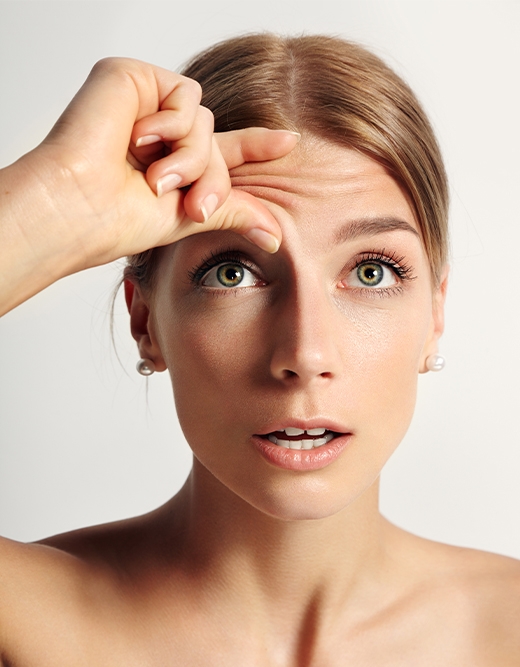
+ Wrinkle
+ Skin spots
+ Fissures (striae)
+ Pale and dull skin
+ Oily skin
+ Provides skin moisture
+ Collagen synthesis stimulation
+ Hair loss
How Often Should PRP Treatment Be Done?
PRP treatment should be done in 3-4 sessions at intervals of 2-4 weeks.
How Long Does PRP Application Take?
After the blood is drawn, the preparation of PRP takes about 8-15 minutes. The application time of PRP to the skin is about 10-20 minutes.
Is Pain Felt in PRP Application?
Before the procedure, the skin is anesthetized by applying a local anesthetic cream. PRP is applied using very fine needles. Therefore, not much pain is felt.
When Does the Effect of PRP Treatment Start and How Long Does It Last?
PRP begins to take effect as soon as it is applied and its effect continues to increase in repetitive sessions. The maximum effect is observed in an average of 2-4 months, and this effect can last for 1-1.5 years, depending on the skin structure.
What are the Side Effects of PRP Application?
Since no foreign substances are used in the process, the risk of allergic reaction is very low.
To Whom PRP Treatment Is Not Applied?
It is not applied to those who use blood thinners, have a history of cancer, have a blood disease, have an infection in the area to be treated, have an autoimmune disease, are pregnant and breastfeeding.
What Should Be Considered After PRP Application?
Hot bath should not be taken on the same day as the procedure and sunscreen cream should be used.
PRP Treatment
PRP (Platelet Rich Plasma) or with its Turkish name Platelet Enriched Plasma, is the platelet-rich plasma obtained after taking blood from a person and centrifuging the blood, to the face according to the need; It is used to renew the skin, to give shine, and to strengthen the hair follicles in the hair. In this liquid obtained, there are millions of stem cells and growth factors. Since the patient's own tissues are used, it is a very natural, skin-stimulating, regenerative treatment.
Normally, when there is an injury in our body, there is an increase in blood flow to that area and an increase in platelets. Tissue is repaired with cells and growth factors released from the platelets here. With PRP, platelets are obtained at a rate and amount that cannot be provided with normal blood flow. Here, with PRP, an average of 2-4 times more platelet cells are given into the tissue, so repair and renewal are much more.
How is PRP Made?
Several tubes of blood from a vein in your arm are centrifuged. In these centrifuges, after a while at high speed revolutions, blood cells called thrombocyte (platelet) that provide blood clotting are separated. These cells are then intermittently injected into the skin with a very fine needle. In this way, collagen and elastic fibers are stimulated. PRP application is just like a mesotherapy, filling application.
In Which Areas Is PRP Used?
+ Renewing the skin
+ Reducing skin wrinkles
+ Spot treatment
+ Accelerating the healing of the skin after laser
+ Reducing hair loss
+ Strengthening the roots of the hair
+ Space treatment
+ Scar treatment
+ Acne scar treatment
Although PRP is used in all of these areas, it is mostly used in practice to revitalize and renew the skin and strengthen hair follicles.
In non-aesthetic applications, PRP is used as a healing accelerator in cases such as dental applications, orthopedic disorders, sports injuries, tendon disorders, non-healing wounds.
In Which Areas of the Body Can PRP Treatment Be Used?
+ face
+ Detentions
+ Neck and crotch area
+ on hand
+ hair root
PRP can actually be used in all body areas
Who Cannot Have PRP?
+ In patients with low platelet count
+ Not applicable in cancer patients.
How Many Sessions of PRP Are Performed?
In order to achieve a good result in PRP, it is necessary to apply 4 sessions at intervals of 2 weeks, then a single application every 6 months.
It will increase efficiency and permanence. Since PRP treatment can be renewed every year and is a completely natural treatment, there is no harm in doing more sessions.
PRP Hair Treatment
PRP is a very effective method especially in revitalizing weakened and brittle hair, removing new hair that has been shed, and increasing the quality and thickness of the hair. Since hair follicles are protected, especially in female pattern hair loss, the hair that has been shed can grow back with PRP hair treatment. In men, it is mostly used to prevent the loss of existing hair. In hair prp treatment, 4 sessions are applied at 2-week intervals. Adding 1 session after 6 months gives more beneficial and better results.
So Why Doesn't Something Happening in Our Body Spontaneously Have This Much Effect?
In fact, this process continues in our body, but with age, genetics and wear, both the rate of regeneration gradually slows down and its quality decreases. Here, the enrichment process with PRP is done, that is, the healing cells are multiplied and given intensively.
What are the Side Effects of PRP Treatment?
PRP has no obvious side effects, there may be bruising at the place where the blood is drawn, slight redness and swelling in the places where the needle is inserted. Since PRP is completely compatible with the body, it does not cause allergies. Therefore, it is very easy to apply and has very few side effects.
When Are Results Observed in PRP Application?
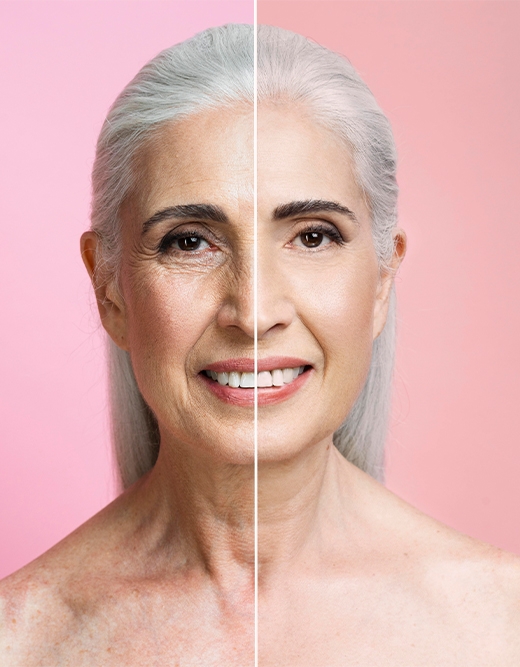
A few days after the application, the skin glows and glows. Later, this effect becomes more pronounced with repeated applications. A longer time is required for the effect of regenerating the skin and reducing wrinkles. Since PRP acts by stimulating the person's own tissues, the effect becomes more pronounced over time.
Is PRP the Same Process as Stem Cell Application?
While PRP is mostly enriched plasma, stem cell is a different application. Stem cell transfer; It is a relatively more complicated application that can be obtained from the skin and oil behind the ear. PRP also contains stem cells, but it is not actually a stem cell transfer. It is mostly growth factors and regenerative tissue transfer.
Can PRP Application Be Done Together with Other Applications?
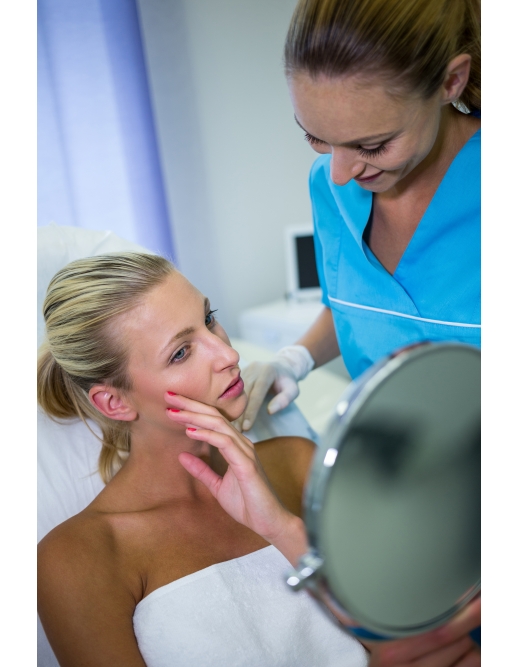
PRP application can be combined with other applications such as filler, botulinum toxin, laser, peeling, etc., depending on your situation. Your doctor will determine this situation according to your needs.
How Do PRP Prices Change?
PRP prices; It varies according to the area to be applied, the type of prp treatment, and the number of prp sessions. The prices of prp treatment to be done in the face area and the prices of prp treatment to be done on the hand or for the hair may differ. The prp prices in combined applications and the price of a single session may vary. You can get the healthiest information about PRP 2023 prices by calling our clinic or by e-mail from the menu on the side.
PRP application in Adana, Dr. Made by Pınar Bozkurt.