

Specialist in Adana for the treatment of impetigo disease. Dr. You can make an appointment with Pınar Bozkurt dermatology clinic.
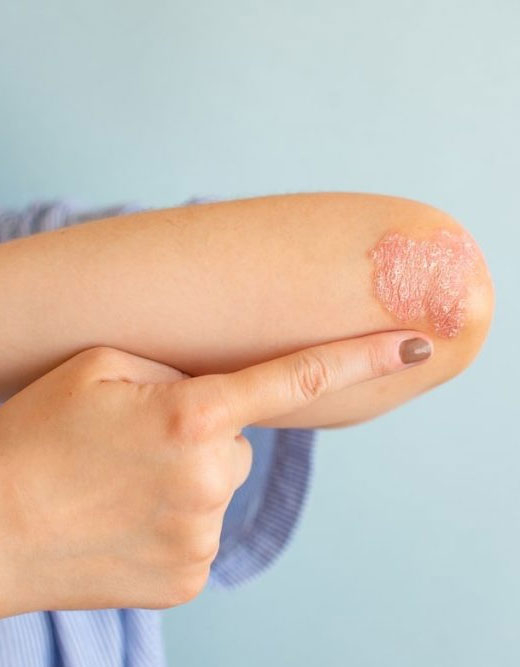
Impetigo is a common skin infection caused by bacteria, especially affecting children. It is quite contagious. Factors that facilitate the emergence of the disease include excessive humidity, increased temperature, poor hygiene and skin trauma. It is usually seen in open areas of the body such as the face, neck, hands, arms and legs. The lesions are in the form of wounds with yellow, honey-colored crusts, sometimes water-filled blisters may develop. The first thing to do in the treatment is to remove the crusts by softening them with the help of pomades without forcing.
Antibiotic creams are recommended for treatment. Oral antibiotics can also be given in severe and resistant cases, in case of symptoms such as fever, fatigue, loss of appetite. The disease microbe can settle in the perianal region (breech), armpits and nostrils in some people. Especially in recurrent infections, local antibiotic cream should be used in these areas. It is very important to follow the rules of personal care and hygiene.
Impetigo is a skin infection caused by bacteria. Impetigo disease caused by streptococcal and staphylococcal bacteria is in the category of infectious diseases. These bacteria enter the skin through mosquito bites, scratches and cuts and cause the disease to occur.
Impetigo, which is seen on the face, arms and legs, is also known as school sores among the public. The reason why impetigo is called school sore among the people is that it is usually seen in school-age children. While it is stated that the disease usually occurs in school-age children; The carelessness of children in this age group in the face of scratches, cuts and mosquito bites can cause the disease to spread easily and cause an epidemic.
Although impetigo disease is usually seen in the summer months, it occurs during the periods of cuts, scratches and fly bites on the skin. The contagious rate of the infection that causes impetigo is quite high. The disease can be easily transmitted from person to person, or it can spread to other parts of the body with an insect bite or scratching the rash.
It is stated that impetigo is the most common pyodermia (purulent skin) in children aged 2-5 years. Impetigo is evaluated in two different groups. It is divided into two groups as simple superficial and bullous impetigo.
Simple Superficial Impetigo
Although it is the most common type of impetigo, it is usually seen in school-age children. It is stated that this type of impetigo is caused by bacteria named streptococcus pyogenes and staphylococcus aureus. First, they start with reddened papullovesicular on the skin and turn into blisters filled with water. Then it starts to heal slowly with honey-colored crusting.
Bullous Impetigo
This type of impetigo is more common in newborns and infants. Along with the redness of the skin, yellow blisters filled with water form and these blisters become pus and begin to heal with a brown blood clot.
What Causes Impetigo?
Many factors, from familial factors to environmental factors, play a role in the formation of bacterial impetigo disease. Impetigo disease caused by streptococcal and staphylococcal bacteria occurs as a result of insect bites, tissue trauma, injury, nail pulling, animal bites and spontaneous causes.
What are the Symptoms of Impetigo Disease?
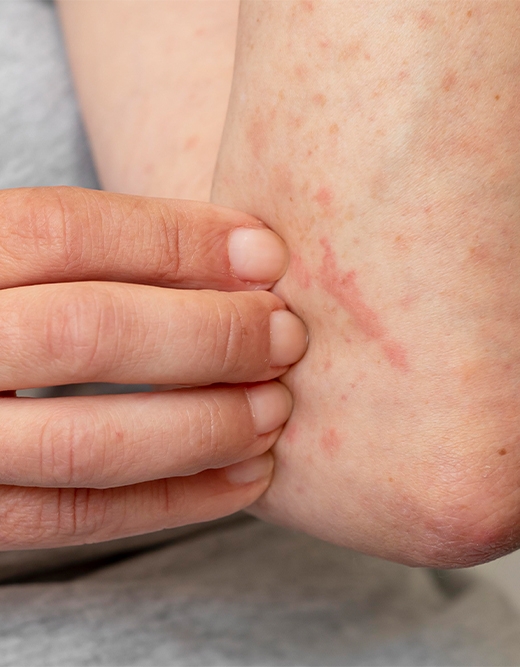
Impetigo can occur in various parts of the body, especially the face, arms and legs. Water-filled blisters that occur due to the disease can leak water later and cause the disease to spread easily. Another important symptom of the disease is rashes.
Symptoms of impetigo appear in 2-3 days on average. One or more of these symptoms may be more severe in impetigo, which causes various symptoms such as itching, redness and pus-filled blisters. However, if symptoms such as shortness of breath, loss of consciousness and high fever are observed in the patient, a doctor should be consulted as soon as possible.
Major Symptoms of Impetigo
+ Pussy blisters
+ Itching
+ Redness
+ rash
+ temperature
+ swelling
+ Wounds that crust over and leak water
How Is Impetigo Disease Transmitted?
Impetigo, which is in the category of infectious diseases, can easily be transmitted from person to person. It can be easily transmitted by using the same items and contacting the sick person. Hot and humid weather is one of the factors that facilitate the transmission of impetigo disease.