
Specialist in Adana for melasma disease and its treatment. Dr. You can make an appointment with Pınar Bozkurt dermatology clinic.
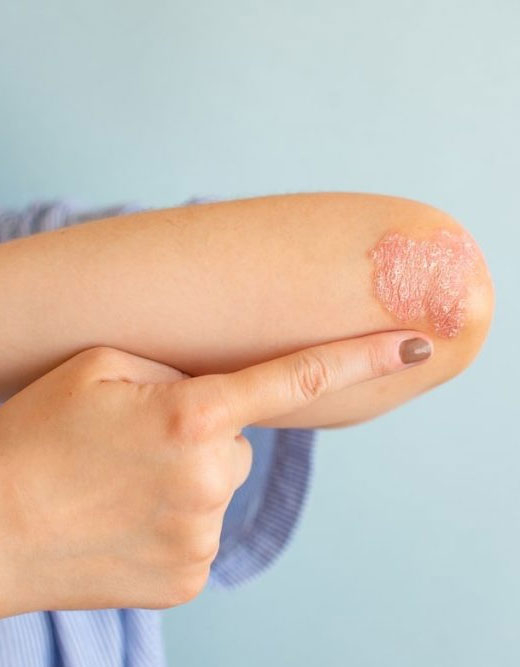
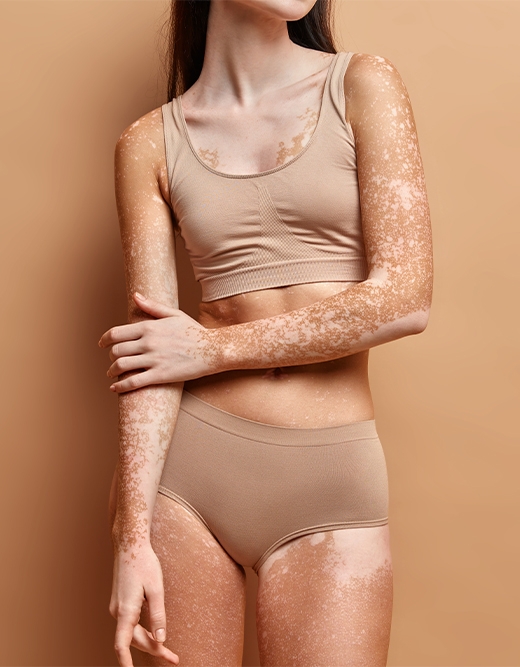
Melasma; It is a skin disease that occurs in the form of brown spots on the skin due to the sun. What occurs during pregnancy is called chloasma. It is most commonly seen on the cheeks, nose, forehead and lips, and usually on both sides of the face. Dark-skinned people are more at risk. It occurs as a result of cells called melanocytes producing excessive amounts of melanin (the substance that gives color to the skin). Cosmetic products such as familial predisposition, sun rays, pregnancy and use of birth control pills, some make-up products, cologne, perfume, soap and moisturizers can also cause an increase in stains, especially after exposure to the sun.
Sun protection is the basis of treatment. Sunscreens should contain both UVA and UVB protection. Since UVA can also pass through the glass, sunscreen should be applied regularly all day, even if you do not go outside. It should also be noted that no sunscreen provides complete protection. For this reason, avoiding the sun should become a habit and additional precautions should be taken, such as the use of hats, glasses and umbrellas. Melasma treatment is a process that requires patience. In this process, new attacks may occur, especially in the summer months. In addition, one or more of the stain creams (hydroquinone, tretinoin and corticosteroid combination, azelaic acid, kojic acid-containing products), chemical peels, and laser treatments suitable for the skin type and stain of the person should be recommended by the dermatologist.
One of the most common problems during pregnancy is spotting on the skin, that is, hyperpigmentation. Like many pregnant women, you may experience this problem. So, what can you do against increased skin spots during pregnancy, what precautions can you take?
What is skin spots (hyperpigmentation)?
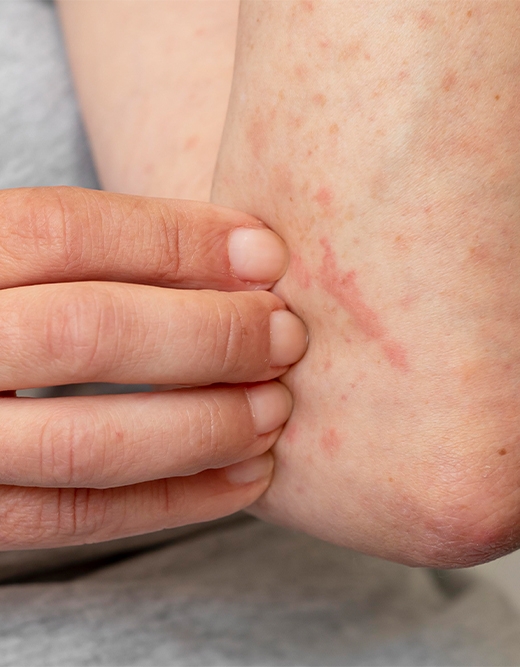
The changes that occur with the darkening of the skin color are called spots. These spots on the skin are called hyperpigmentation.
The pigment called melanin can concentrate in some parts of our skin and cause color differences. As the skin secretes more melanin pigment while trying to repair this damage, the color change seen in the skin also increases. This condition is also known as "skin darkening" among the people.
What causes skin blemishes during pregnancy?
+ Genetic factors,
+ sun,
+ Malnutrition,
+ Some drugs used for a long time before pregnancy (those used in rheumatism, thyroid and migraine diseases) can cause skin spots.
In addition, even if no medication is used, the increased estrogen, progesterone and chloasma hormone, which activates the pigments, cause an increase in hyperpigmentation. The skin becomes sensitive during this period.
Chloasma: Brown spots that appear later on sun-exposed areas of the skin.
Pay attention to your diet for beautiful skin: Golden Information for Pregnant Women Who Say "Eating Healthy Is Important But I Can't Do It"
When do skin spots start during pregnancy?
Hyperpigmentation (malesma), which is the common problem of almost many pregnant women, begins to occur after the first 2.5 months of pregnancy.
In which parts of the body does hyperpigmentation occur?
Skin darkening during pregnancy occurs especially in areas that are heavily exposed to ultraviolet rays. These;
+ face,
+ Hard parts of the hands,
+ Shoulder,
+ back,
+ Decollete area,
+ They are the outward facing surfaces of the arms and legs.
How to prevent the formation of skin spots during pregnancy?
+ The biggest cause of skin problems; interaction of hormones with the sun's UV rays. For this reason, you should pay attention to sunbathing hours during pregnancy and not start the day without using protective products.
+ You can use hyperpigmentation creams with a GKF (sun protection factor) of 15 or higher on all sun-exposed parts of your skin. These products do not completely remove stains, but they can prevent their formation.
+ The most important times to be protected from UV rays are between 11:00 in the morning and 16:30 in the afternoon, when the sun comes at a right angle. You can get the vitamin D you need at other times of the day.
+ Remember that UV rays are not only emitted by the sun. Artificial UV rays are also present in the lights reflected from the spotlights and computer screen. This means that even in a closed place, you should definitely use sunscreen products at the beginning of the day and renew them every 2.5-3 hours.
+ A hat that completely covers your face and long-sleeved clothing to protect your arms can also be helpful.
Treat your body well: 10 Tips for Taking Care of Yourself During Pregnancy
How to get rid of skin blemishes during pregnancy?
During pregnancy, the color of freckles and skin moles may become darker and more pronounced. In areas where friction is high, such as between the legs, the skin may turn brown. However, all of these hyperpigmentation problems go away on their own after delivery.
What should be done for skin blemishes during pregnancy?
+ Skin spots should not be treated while pregnant. Pregnancy is an important issue that you should pay attention to the drugs and cosmetic products you will use.
period.
+ For stains that do not disappear, it is best to seek help from a specialist physician. You can use stain lightening products of a trusted brand recommended by your doctor.
+ You should not choose spot lightening products and skin peeling applications such as peeling and laser in the winter months.
+ Insufficient protection of the skin from the sun and environmental factors after skin peeling applications in summer may cause irreversible damage. Such cases are very common.
+ Surgical methods should not be your first choice for complaints about your skin. You can resort to surgical applications as a last resort for problems that you cannot solve with products.