

For Verru's disease and its treatment, Specialist in Adana. Dr. You can make an appointment with Pınar Bozkurt dermatology clinic.
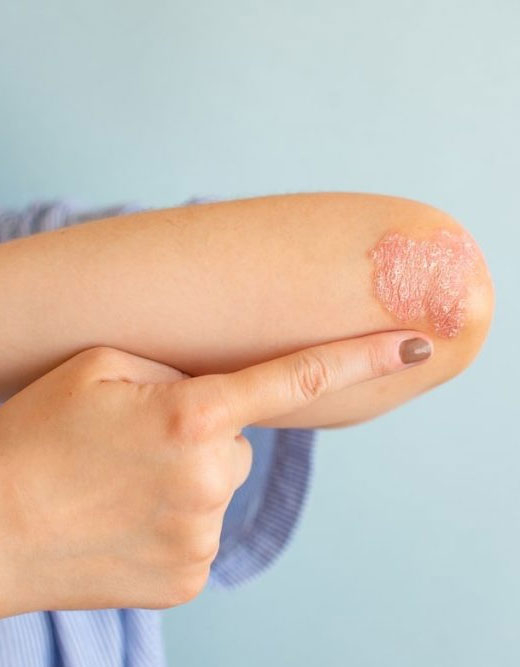
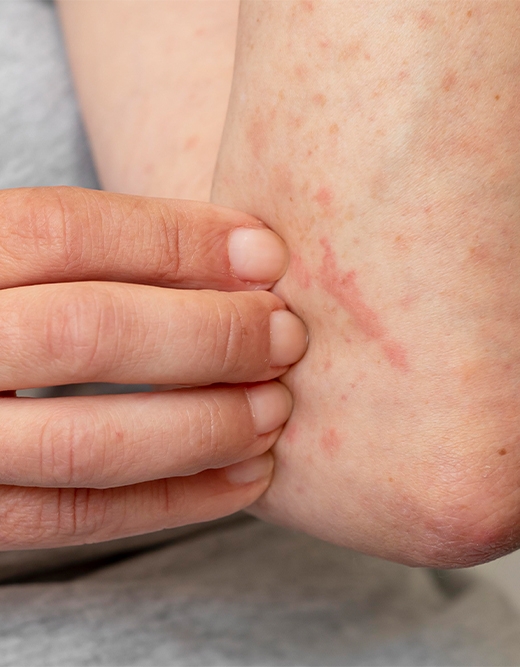
Wart, Verru; It is a benign skin growth caused by the HPV (Human papilloma virus) virus infecting the upper layer of the skin. Although it is most common in the hands and feet, it can occur throughout the body. It is transmitted by contact. Verruca vulgaris is the most common type. It appears on the fingers, around the nails and on the back of the hand, in the form of skin-colored, rough surface and sometimes black spots on it. Plantar verrue (foot warts) are located on the soles of the feet. Warts do not form bulges in this area, they are mostly flat-surfaced and ingrown, they can be confused with calluses and cause pain. Plan verrue (flat warts) can be seen everywhere, but most often on the face. They appear slightly dark in color from smooth-surfaced skin. Filiform verrue (Pillar warts) often on the face; It appears as filamentous extensions around the mouth and eyes.
Treatment methods; It is determined according to the age of the patient, the region of the wart, its thickness and clinical type. The main treatment methods; keratolytic agents that dissolve the upper layer of the skin, cryotherapy, laser and surgical methods. In children, spontaneous recovery can be seen in a period of about 2 years without the need for any treatment. However, it should not be forgotten that the disease can increase by transmission in this period without treatment.
What is a wart?
Early diagnosis of syphilis/syphilis is possible with physical examination and blood test. Since other sexually transmitted diseases may have passed in patients with syphilis, it would be right to do research for all of them.
Since syphilis is a sexually transmitted disease, the person's partner should also be examined and controlled. The person should not have sexual intercourse until they are healed.
When the diagnosis is made in the early period, definitive results can be obtained with treatments that will kill the bacteria.
What are the types of warts?
+ Warts located on the soles of the feet (verruca plantaris): Usually single, painful, hard and raised. They can be confused with calluses. Cells contain large numbers of virus particles. Pain increases with walking. If the number of plantar warts is high, it is called "mosaic verrue/wart". They usually tend to be flatter and painless.
+ Simple warts (verruka vulgaris): From simple wart formation; HPV type 2, and rarely HPV type 1, type 4 or type 7 are responsible. Simple warts can be observed in any area of the skin and mucous membranes. It is more common in atopic (allergic) individuals and there is usually more than one wart formation. The most common place for wart formation is the hands. Placement around the nail is also observed in people with the habit of nail biting. Simple warts are bumps that are slightly darker than the skin color.
+ Flat warts (verruca plana): HPV type 3, to a lesser extent HPV type 10, type 27 and type 41 are responsible for the formation of flat warts. It is mostly located on the face, neck and back of the hands. They may be slightly raised from the skin, 2-4 mm in diameter, flat on the surface, slightly reddened or slightly dark-colored from the skin. Their numbers can increase with shaving.
+ Thread warts (filiform verular): Thread warts tend to settle in groups on the face and neck, mostly in men. Finger-like extensions on them attract attention.
+ Anogenital warts (anogenital verrue): Genital warts are one of the most common sexually transmitted diseases. Lesions settle in the genital area. It is mostly observed in adults. However, it can also be passed from mother to baby during childbirth. In addition, it can be transmitted by the use of items such as underwear, towels, etc., which are contaminated with the virus. Genital warts can cause cervical cancer in women. Therefore, it is very important to monitor and treat patients well. Genital warts may cause rash and lesions in the area where they are located, or they may not cause any symptoms.
+ Oral warts (oral warts): Small, slightly raised, pink-white bumps on the skin. Oral warts are most commonly located on the cheek, gingiva, tongue and hard palate.
+ Tree man disease (epidermodysplasia verruciformis): Associated with HPV types 5, 8, 9, 12, 14, 15, 17, 19. In this particular clinical picture, patients have a predisposition to HPV infection. There is genetic inheritance in 25% of cases. Tree man disease can begin in childhood and continue throughout life. Skin lesions are flat papules (swelling with distinct borders on the skin), mostly located on the backs of the hands, face and limbs. They have a flatter surface than other warts. Squamous cell carcinomas may develop in 30-60% of cases, especially in sun-exposed areas.
+ HPV infection in people with suppressed immune system: HPV infection can be observed more frequently and widely in people with suppressed immune system, such as AIDS patients, and people who have had organ or tissue transplantation. HPV infection increases the risk of developing cancer in these people can flow.