
WHAT IS FACE FILLING?
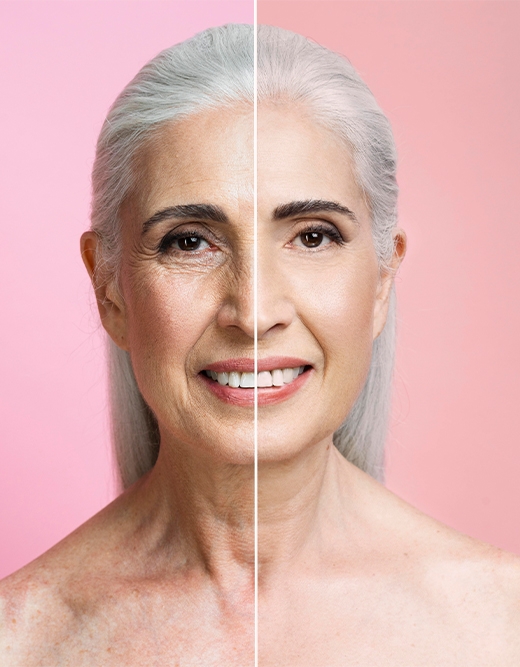
Wrinkles and loss of volume occur in the face area due to aging or the harmful effects of the sun. In order to eliminate these undesirable situations, some surgical interventions have been developed for a long time. Thanks to the technological innovations that have emerged in medical aesthetics recently, much more effective and practical methods have been developed. In medical aesthetics, the most preferred method for skin rejuvenation is filler injections. Over time, the fat layer, hyaluronic acid, elastic fiber and collagen fibers tend to decrease in the body. This is why most of the sagging, wrinkles and depressions occur. A large part of these negative images can be eliminated with aesthetic fillers containing hyaluronic acid. Thanks to facial filling applications, it is possible to give your skin a calm and pleasant appearance in a short time. This application, which gives volume to your skin and saves it from wrinkles, can be easily applied without any surgical intervention.
USED AREAS
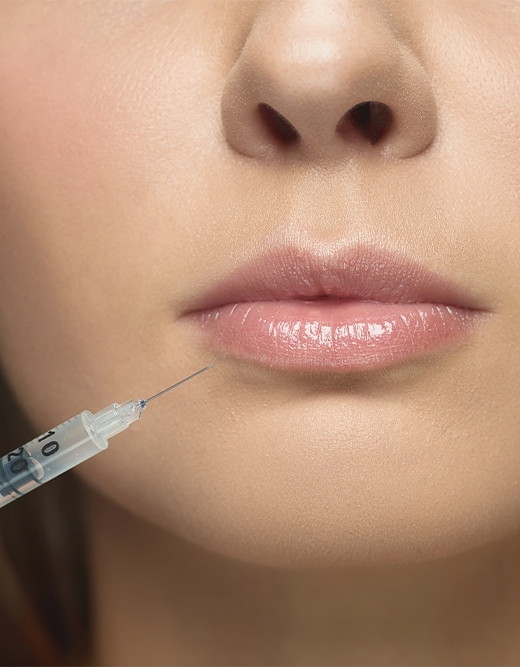
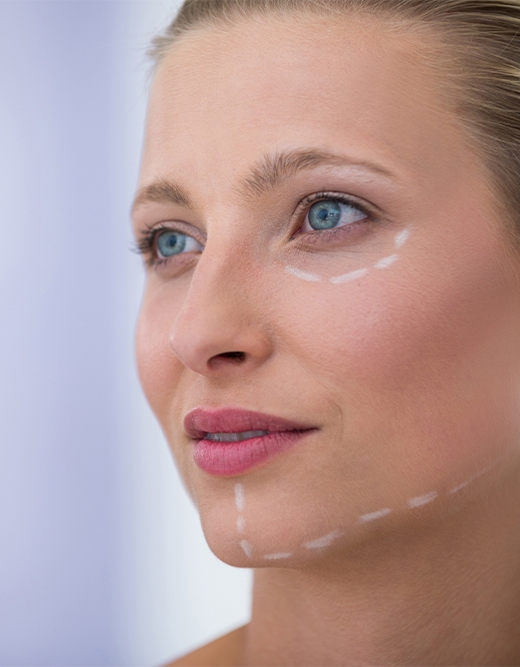
Facial filling applications are used to eliminate fine lines and wrinkles in the middle of the eyebrows and forehead. Filling applications are used to remove fine wrinkles around the eyes, which are described as crow's feet, and to lift fallen eyebrows. Facial fillers are also used in eliminating facial asymmetries, reducing sagging of the facial skin and filling under-eye cavities. Filling processes are also used to give fullness to the lips and to reduce the lines on the lips called perioral.
Filling applications are also used to fill the lines (nasolabial lines) and depressions on the sides of the nose, to shape the jawbone or chin, and to lift the corners of the lips in proportion to the face. Filling procedures are also applied to reduce the depressions on the cheeks and to remove the depressions caused by scars on the face due to acne or wounds. Finally, the depressions formed in the tear ducts in the upper cheek area can also be eliminated by face filling applications. In short, facial filler applications provide removal of wrinkles, depressions and disproportions in each area of the face and give your face a youthful appearance.
HOW IS THE IMPLEMENTATION DONE?
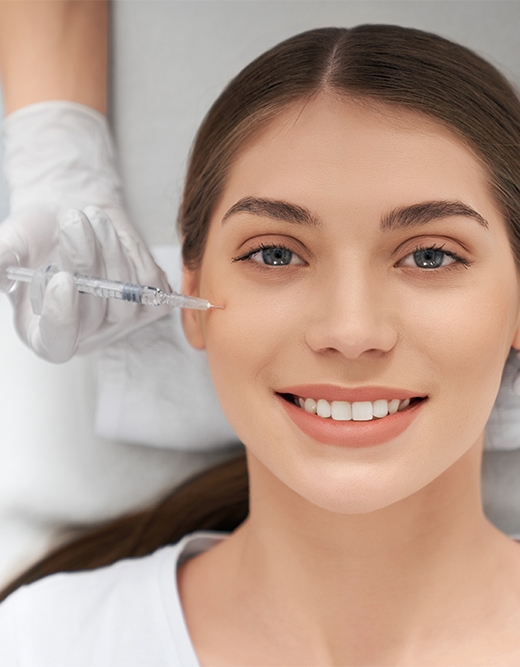
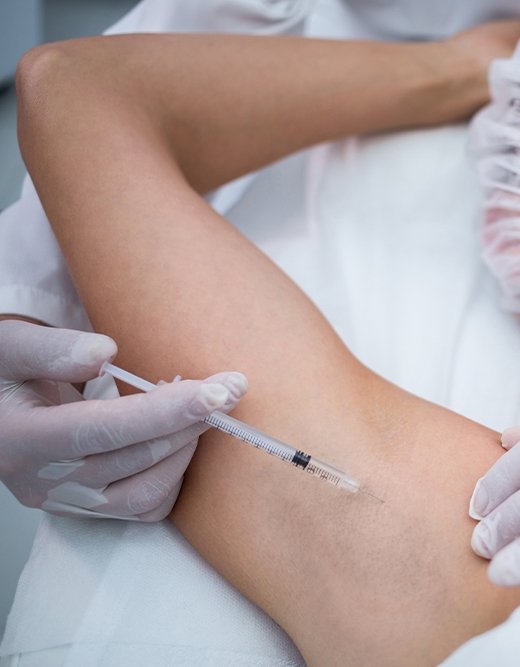
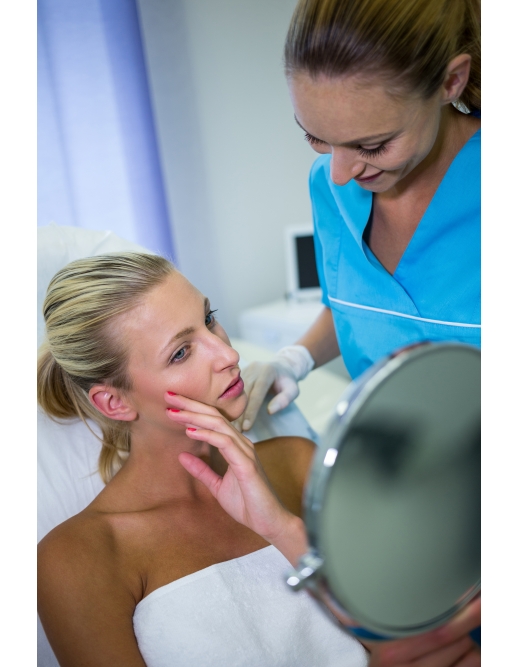
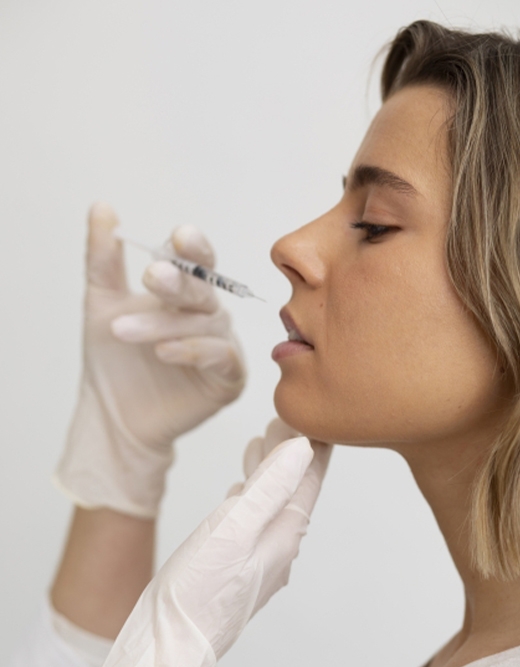
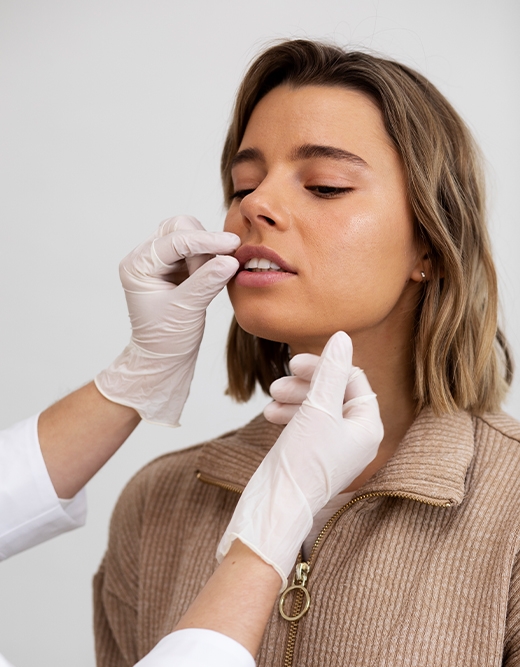
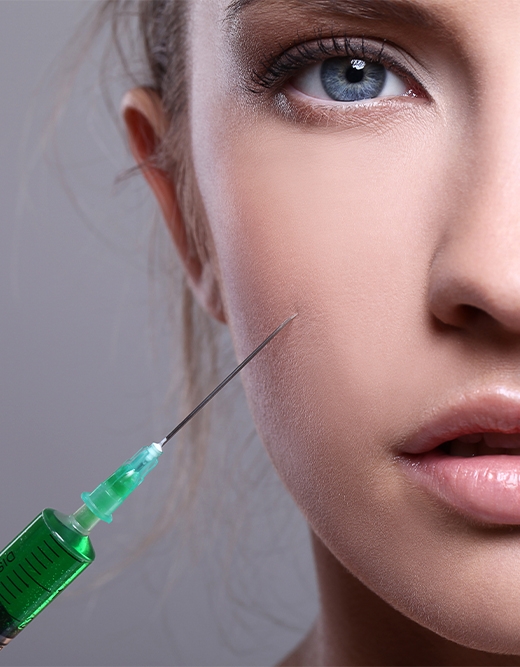
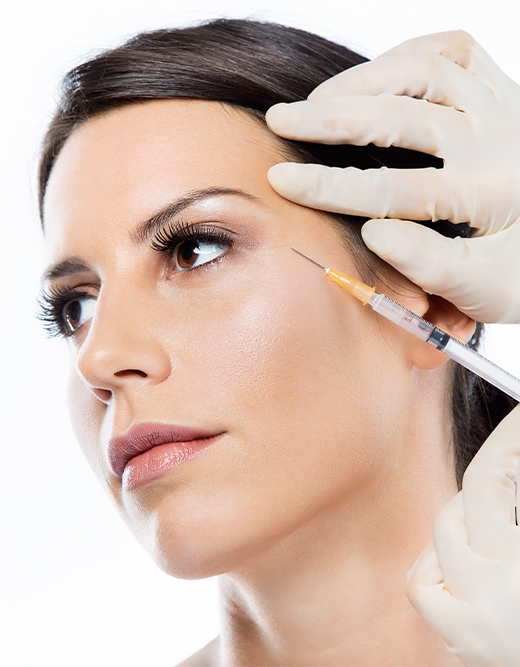
The application is very practical and no problems arise. Before the procedure, the specialist physician will thoroughly examine and examine the patient's face. The expectations of the patients are also taken into consideration and the areas that need to be filled are determined. These application areas will be numbed with mild anesthetic creams and other anesthetic substances. Filling material containing hyaluronic acid is injected into the area to be applied with fine-tipped needles (microcannula) specially designed for facial filling. Areas other than the lip area do not need to be anesthetized too much. With the technical progress, local anesthesia has been provided in the fillings. In this way, epilations are performed painlessly and easily.
HOW LONG IS THE APPLICATIONS PERMANENT?
There are two factors that determine how long the fillers used in applications can be effective in the areas where they are injected. One of them is how dense the cross-links of the filler are. The other is the content of the filler to be applied. Facial fillers containing hyaluronic acid persist for a period of 6 to 18 months from the moment they are applied. However, after 12 months, its permanence gradually loses its effect. Some hyaluronic acid-containing fillers not only add volume to the area they are applied, but also moisturize the skin and increase collagen tissues. Such fillers are effective for about 6 months. The number of sessions the application will take depends on the structure of the area to be injected and the filler material to be used. A filler injection session, which is normally completed in a single session, takes about 10 minutes on average.
MATTERS TO BE CONSIDERED AFTER THE APPLICATION
Face filling is a practical procedure. Therefore, there is no such thing as bruising, redness or swelling. After the application, you can apply make-up if you wish. As soon as your work is finished, you can continue your normal daily life from where you left off.
TYPES OF FACE FILLERS: JUVEDERM FACE FILLERS
The fillers produced by Juvederm are the most used fillers in the world. Thanks to the cross-linked hyaluronic acid content of Vycross technology, these fillers have come to the fore. It has several different types.
Juvederm Voluma: It is preferred in areas where volume is desired. It can be used on the temples, to define the cheekbone and chin tip. It is done deep. It can be effective for up to 18 months when used on the cheek area.
Juvederm Volift: Nose
It can be applied to the lines between the cheeks and the marionette lines. It is also applied to wrinkles in the mouth stage and moderate wrinkles. It has the feature of being the most used filling in applications.
Juvederm Volbella: It is the thinnest of the fillers produced by Juvederm. It is used in under-eye filling applications, in the treatment of wrinkles and in the elimination of fine lines. It is not used on the lips, but can be used on the upper lip lines and around the lips.
Juvederm Volite: Its most important feature is to provide moisture to the skin. Therefore, it is not applied by filling injection. This form of filling can be applied to the cheeks and décolleté area, similar to mesotherapy. When applied to both cheeks, it is mandatory to use 2 tubes of Volite. On average, it is effective for 9 to 12 months and no moisturizer is required after Volite application.
TYPES OF FACE FILLERS: THEOSIAL FACE FILLERS
It is a quality and successfully applied filling type. Available types are: Teosyal global action, facial light filling redensity I, under-eye light filling redensity II, Teosyal deepliness, Teosyal kiss, Teosyal ultimate, Teosyal ultra deep. Teosyal kiss has been specially developed to add permanence to the lips. It takes effect for 1 year. The most recent product among Teosyal fillings is the RHA (Teosyal Resilient) series, which is called dynamic filling. The most important thing that dynamic fillings have is that their crosslinks can stretch. For example, when a gesture is made, it can move dynamically in the filling area. Teosyal RHA has different types with 1,2,3,4 names. Preference is made according to which depth is desired to be reached.
Apart from these two filling types we mentioned, there are varieties such as Radiesse, Restylane, Parlane, Stylage, Hyabell, Variofill, Perfectha, Ellanse, Idea and Amalian. How much a face filler procedure will cost depends on multiple factors. These factors are which product and how much is used in the application, the structure of the area to be applied and how many sessions the application will be made. If you want to learn a clear price, you need to make an appointment with your specialist doctor and be examined.