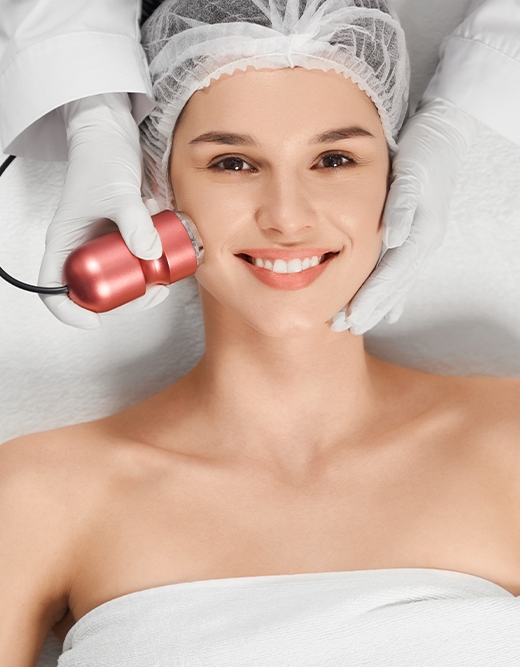


Spot treatment Dr. Dr. Made by Pınar Bozkurt. Please call us for detailed information about Adana spot treatment and Adana spot treatment and for spot treatment price information.
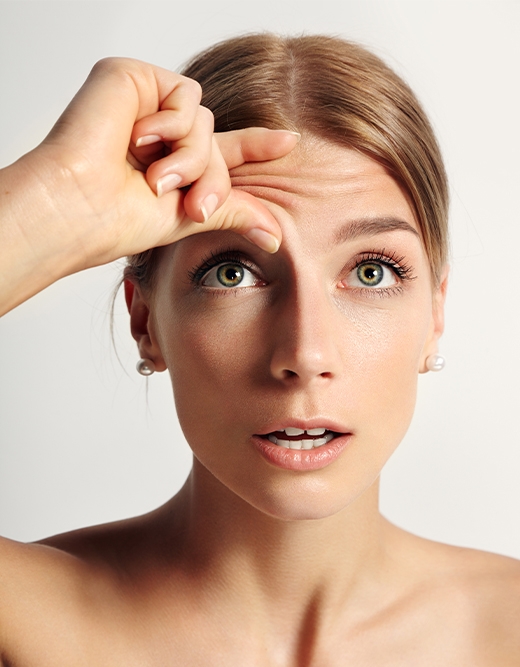
Stain is the formation of irregular and excessive coloration on the skin as a result of the production of the substance called melanin, which gives the skin its color, more than normal.
What are the Types of Stains?
1. Melasma: Irregular spots on the face, neck and forearms. Causes of melasma;
+ Genetic disposition
+ Ultraviolet rays
+ Birth control pills
+ It can be counted as pregnancy (chloasma).
Since the amount of melanocytes in the skin is more intense in dark-skinned people, the risk of staining is higher than in light-skinned people.
2. Congenital Spots
3. Post-Inflammatory Hyperpigmentation: It occurs due to skin irritation and increased sensitivity. It can be seen after peeling or laser procedures and skin diseases such as eczema and acne.
4. Freckles: These spots, which are mostly seen on the cheeks, forehead and chin, occur mostly in people with a genetic predisposition and in sunny seasons.
5. Lentigo: These are brown spots that appear in later years due to sun exposure at an early age. It is mostly seen on the hands, arms and face.
Methods Used in Spot Treatment
Treatment should be determined by a dermatologist according to the type of stain.
+ Medical treatments (hydroquinone, kojic acid, azelaic acid, retinoic acid...)
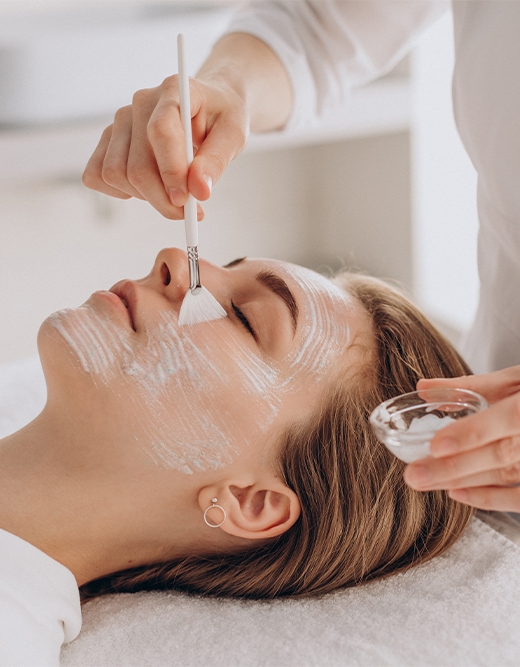
+ Chemical Peeling (glycolic acid, TCA...)
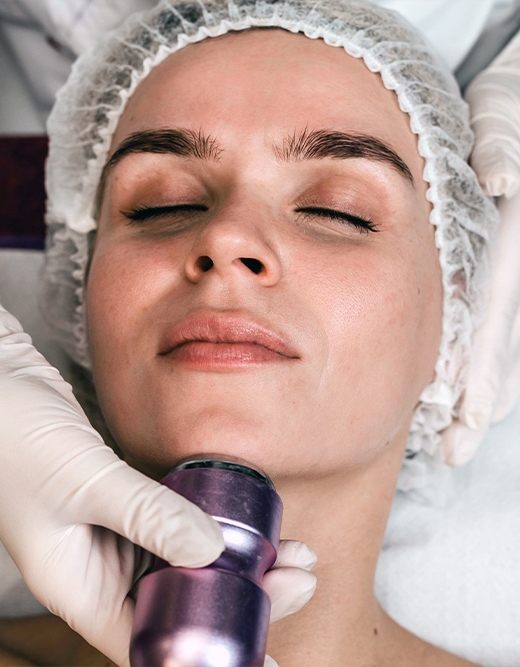
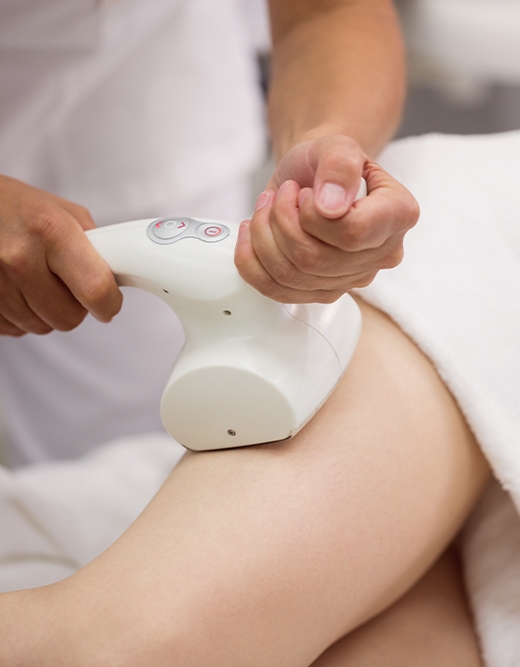
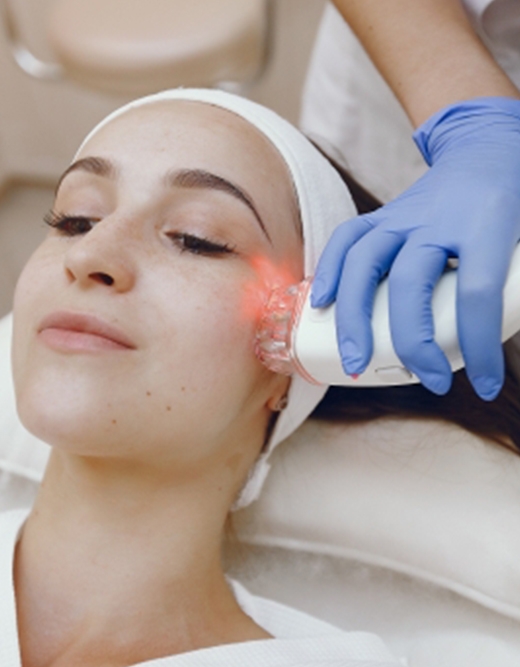
+ Laser treatments
+ Fractional radiofrequency
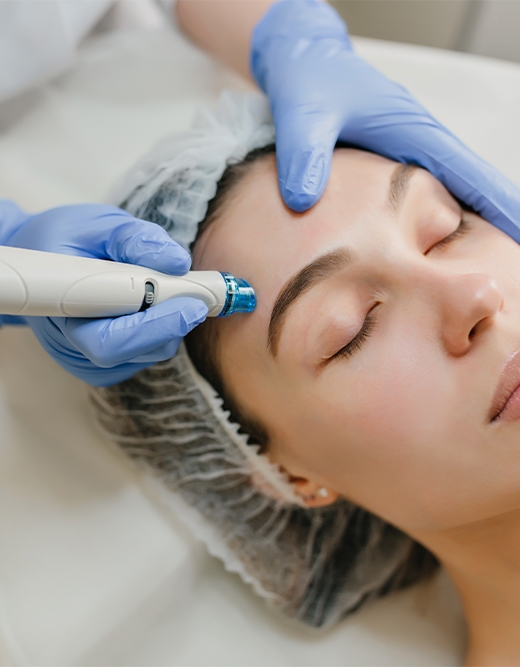
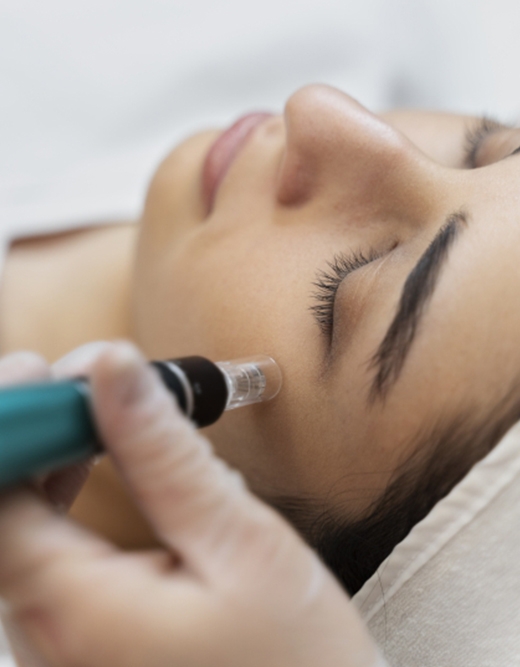
+ Micro needling
+ PRP
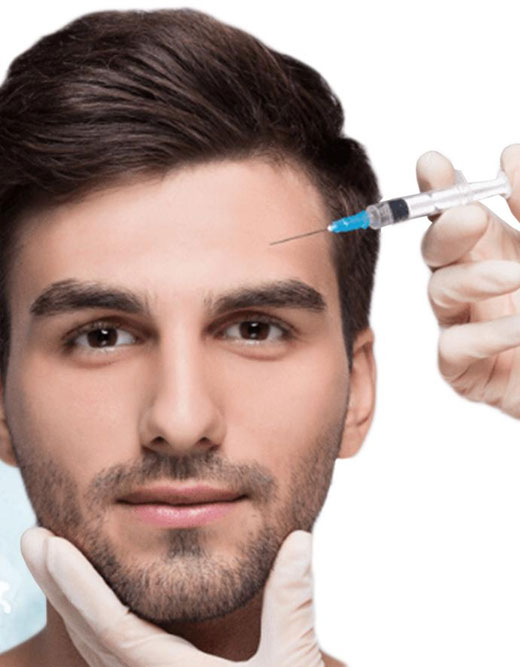
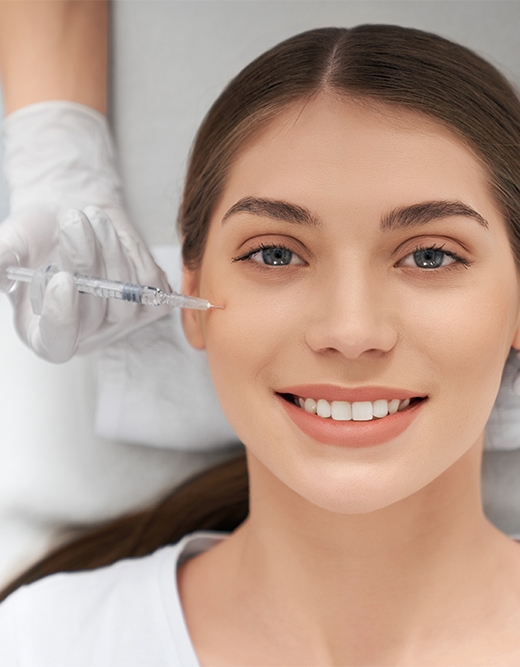
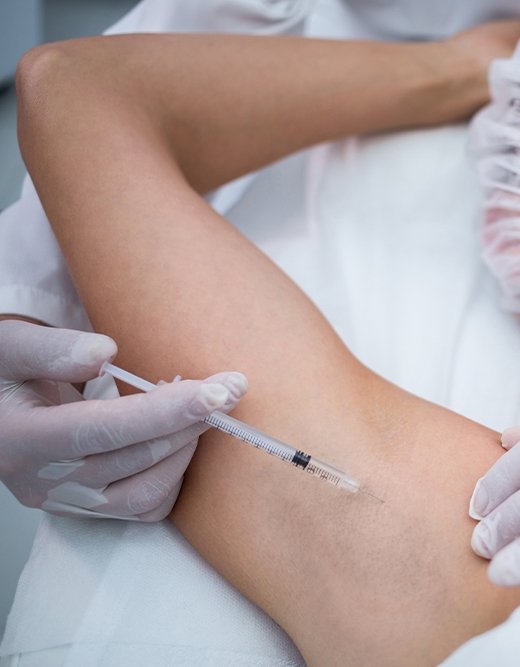
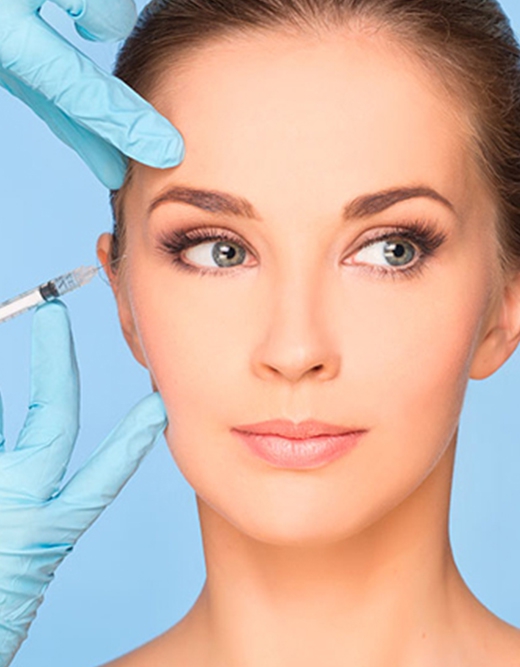
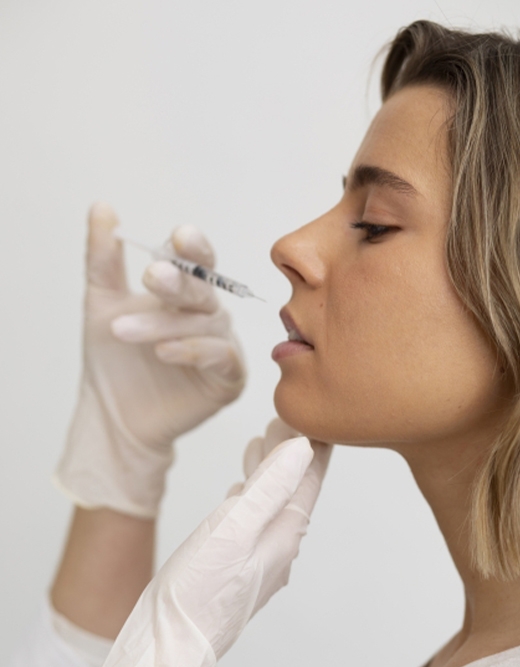
+ Methods such as mesotherapy are applied.
Spot Treatment
Different types of skin blemishes can occur on our body, especially on our face, for various reasons and factors. These skin spots, which are darker and more prominent than normal skin color, do not threaten our lives, but cause some aesthetic and cosmetic problems, and even lead to some psychological disorders that can affect the social life of some people. Therefore, skin blemishes need to be treated.
Melanin is the pigment substance that gives our skin its color. Skin spots are areas where the amount of melanin is high. The fact that melanin collects in high amounts in certain areas and forms skin spots is caused by various reasons. Some of these spots are caused by birth, some by puberty, some by aging, and some by the damage to our skin as a result of sun and external factors.
Types of Skin Spots
laser spot treatmentPigmented lesions: Epidermal pigmented lesions: Lentigines, cafeolae spots, freckles, nevocellular nevus, nevus spilus, seborrheic keratosis, pigmented actinic keratosis can be counted.
Dermal pigmented lesions: Blue nevus, nevus of ota, nevus of ito, dermal and epidermal pigment, compound nevus, postinflammatory hyperpigmentation, melasma
sunspots
Sunspots may occur, especially in long-term exposure to the sun without using sunscreen, and sometimes regardless of the duration. The skin becomes thicker in order to protect itself, and the production of melanin pigment increases, therefore, an increase in the formation of spots is observed.
Pregnancy spots (Melasma)
Although its name is a pregnancy spot, it can also appear in men. Birth control pills used can cause excessive production of melanin pigment due to hormonal changes during pregnancy, stress, pycological factors, sharply limited spots may occur in areas such as cheeks, forehead and chin, which are most exposed to the sun, with the increase in melanin. It can reoccur during pregnancy.
freckles
These spots, which are most visible on the cheeks, nose, forehead and chin, where the sun is more effective, can be in the form of light or darker brown spots. In general, they increase in sunny seasons and decrease or lighten in non-sun seasons.
Fungal diseases
Some fungal infections, fungal diseases can cause spots on the skin.
Cafe au lait (cafeola) stains
These milky brown spots develop congenitally or in early childhood. These spots, which can vary in size, can sometimes be alone or may be a symptom of neurofibromatosis disease.
allergic reactions
Some drugs taken orally or some cream-style drugs called topical (regional) can cause hyperpigmentation. Sometimes at the level of mild redness and allergic reaction, sometimes more severe reactions can cause local blisters and formation of regional spots.
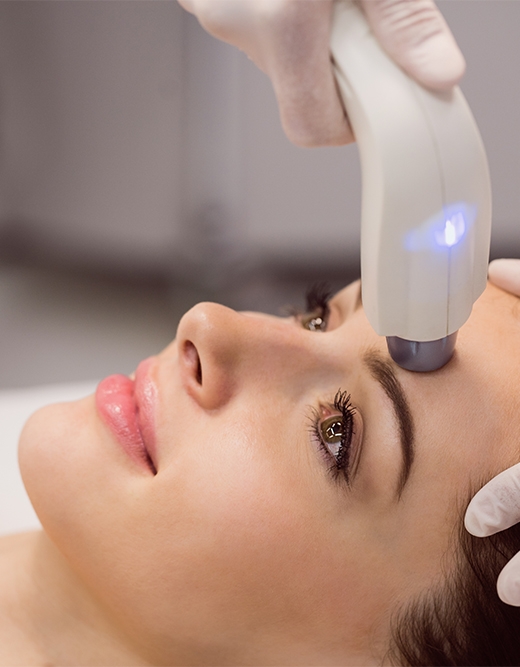
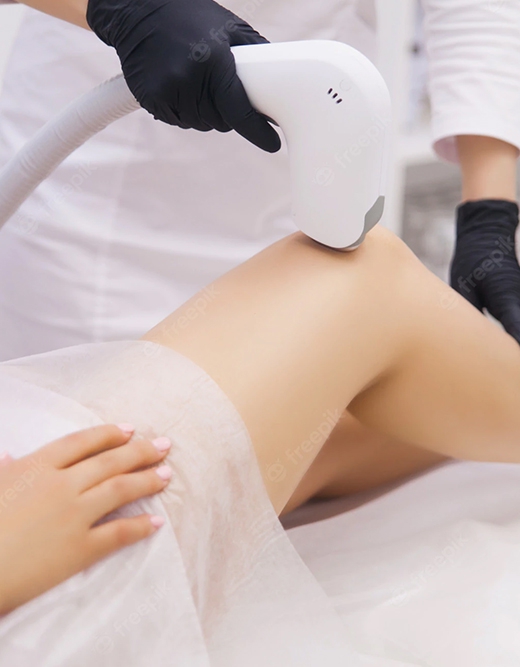
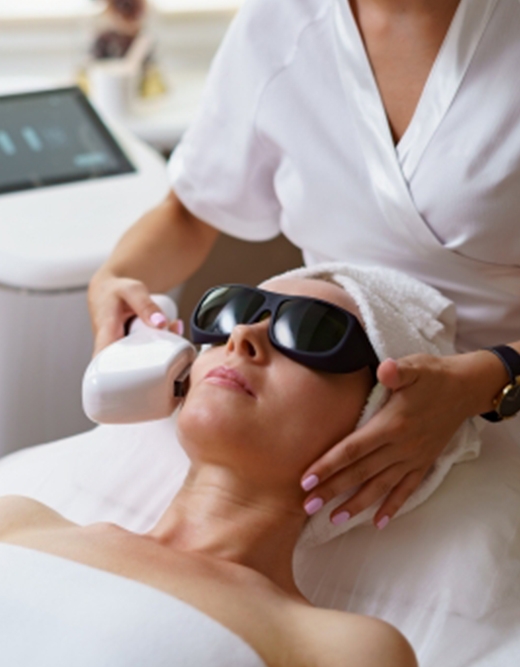
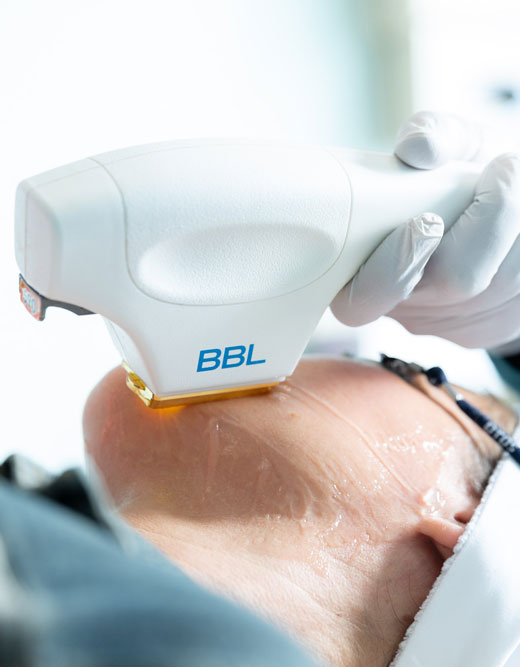
Spot Treatment with Laser
Many lasers are used for this purpose. In our clinic, a separate laser treatment is required for each skin spot type and we have laser devices for this.
Since carbon dioxide laser causes deep peeling, they show long recovery periods, but at the same time, they provide rejuvenation of the skin as they provide renewal in collagen production.
Erbium laser heals faster. It can also be used in the fractional application of the erbium laser.
lt rejuvenation can be done.
"Today, the most successful spot treatment is done with laser."
During the application of laser spot treatment, the laser energy is intensely absorbed by the cells containing melanin, while it hardly affects other cells with normal skin color.
If spot treatment will be applied with fractional laser, these areas should not be tanned. Because the darker parts of the skin caused by tanning can also absorb the laser rays, and as a result, effects such as irritation or water collection can be seen on the skin.
Laser spot treatment is generally not a painful method. Anesthetic creams or cold application can be applied to make the patient more comfortable while performing spot treatment with fractional laser. Your doctor will decide whether any preliminary preparation is needed for laser spot treatment.
What Happens After Laser Spot Treatment?
After the application of laser spot treatment, for example, in the treatment of melasma, there is no redness after the application. This application is completely painless, but also provides a rejuvenation on the skin.
If freckle, sunspot, age spot treatment is to be done, a slight burning sensation is felt in the laser treatment. There is redness in the first 3 days, a very light crust occurs after 3 days, and after 1 week the crust is completely shed. The stain at the bottom is completely gone.
If fractional laser spot treatment is performed, within a few hours after the treatment, there will be a slight warm feeling like sunburn on the skin and the skin will generally remain red for 24 hours. After that, there will be crusting for 3-4 days and this crusting will pass.
Especially after treatment with unsuitable lasers, some spots on your skin may become darker. This situation may disappear within 1-2 weeks or may be permanent. There may be darkening or lightening of the skin color within 1-2 months after the spot treatment. The treated area should be meticulously protected from the sun until the effect of the laser treatment disappears completely and the color of your skin returns to normal.
After laser spot treatment, gently cleaning the skin with a cleanser and applying an epithelial cream will speed up the healing process. In case of abnormal redness, pain or swelling, consult your doctor as soon as possible.
How Many Sessions Are Performed in Laser Spot Treatment?
There are skin spots and pigmentation disorders in very different structures, features, depth and darkness. In addition, due to the fact that people's body structure, healing feature, and therefore their skin's ability to remove stains after laser spot treatment are different, it may not be possible to say exactly how many sessions the treatment will take for the patient to be treated with laser spot treatment, average figures and times are given. Again, the times and numbers given are not guaranteed, more sessions may be required.
While freckles and brown age spots are usually successfully treated, deeper spots and complicated lesions may be resistant to treatment. Common sunspots and freckles, age spots disappear after a single session at a rate of 60% - 80%. For some sun and freckle spots, second or third sessions may be necessary. Some stains are quite resistant and may not disappear completely. However, after the laser spot treatment application, their colors lighten significantly.
In the melasma style, the treatment of this group, which patients think is sunspot, but not sunspot, is performed in 5 sessions at intervals of 1 week and 10 days.
Special stains such as nevus of Ota and Becker nevus require 5-8 sessions of application.
Do the spots disappear completely as a result of the laser spot treatment?
Many types of blemishes can disappear completely with laser blemish treatment or become a vague scar by decreasing considerably. It can be covered very easily with a light make-up. While patients could not go out without make-up before, they state that they do not even need make-up.
What are the Side Effects of Laser Spot Treatment?
Spot treatment with a suitable laser usually does not have any bad side effects. The most common problem is that some spots and pigmented lesions are resistant to spot treatment, their colors lighten a little, but they do not respond poorly to the treatment.
+ Wound and infection formation is very rare.
+ As long as skin peeling is not done, infection does not occur. Infection can be easily prevented or treated with antibiotic creams.
+ Rarely, discoloration and hypopigmentation can be seen in normal skin. In such cases, the lightening effect is mostly minimal.
+ In case of direct exposure to the sun, the possibility of returning the treated spots increases.
+ It is important to protect your skin meticulously against the sun in order to prevent the spots from coming back and the formation of new spots on your skin in general.
How Are The Prices Of Laser Spot Treatment Determined?
While laser spot treatment is performed, the type of spot must be determined first. Each stain shows different characteristics.
and the number of sessions to be applied will vary. In this case, laser spot treatment will affect the prices. While some stains can be removed in 1 session, some stains need 5 sessions or more. Therefore, stain pricing, which requires multiple sessions, is made by taking this situation into account.
Another factor in determining the 2020 spot treatment price is whether the spot is only on the face or in different areas of the body such as Becker's nevus. In this case, the size of the stain will affect the spot treatment prices. You should be examined by your doctor for information on how to make a treatment plan for you and about 2020 prices.
Applications that can be made in addition to the treatment of spots other than laser
1. Elimination of contact with the sun
The first thing to do in the treatment of stains is to use sunscreens and cut off contact with the sun. These sunscreens should be sunscreens that protect against both ultraviolet A and ultraviolet B rays. Sunscreens should be used not only on sunny days, but every day, indoors and outdoors, including in the shade. Therefore, it is necessary to use protectors with a protection factor of 45 in summer and winter.
2. Whitening creams
Cream treatments don't remove all types of blemishes, but they do help with treatments like laser. There are many whitening creams used in the treatment of stains. Instead of damaging melanocytes, these drugs work by reducing pigment production by melanocytes. The most common whitening creams contain hydroquinone. The combination of creams containing tretinoin, cortisone and glycolic acid with hydroquinone increases the color lightening property.
3. Chemical Peels
Peelings containing glycolic acid, alpha hydroxy acids, fruit acid can be used on sunspots. Again, more intense peelings, TCA can be used for this purpose. Instead of these peelings, peelings such as spot peel, cosmelan, dermalan can be used.
Pregnancy Spot (Melasma-Melasma)
laser spot treatmentMelasma, or pregnancy spot, is a common skin problem and manifests itself with sharply defined, large, brown spots on the skin. Usually both sides of the face are affected. If patients mistake these spots as sun spots, this spot does not occur from the sun, but gets darker in the sun.
It is most common in the face area. On the face, these spots are mostly seen on the cheeks, forehead, nose and lips. Melasma can also develop on the upper arms and neck.
Who Gets Melasma?
Anyone can get melasma, but it is more common in younger women. It mostly occurs in the first 2 and 3 months of pregnancy. Sometimes referred to as the pregnancy mask. It can also be seen in approximately 10% of men. Pregnancy spot melasma is more common in dark-skinned people.
What causes melasma?
The cause of melasma is unclear. Melasma is more common in individuals with a family history of melasma. Hormonal changes can trigger melasma. If it develops during pregnancy, it is called a pregnancy mask. Birth control pills can also cause melasma. However, hormone therapy after menopause does not cause such a spotting. Again, it can be caused by stress, psychological factors, and structural features. Zinc deficiency can also cause melasma.
The sun can trigger the development of melasma. Ultraviolet light from the sun or light emitted from strong lamps can stimulate pigment-producing melanocytes in the skin. Dark-skinned people have more active melanocytes than light-skinned people. These melanocytes produce a large amount of pigment under normal conditions, but this increases with exposure to light or hormonal spikes. Although staying in the sun does not cause melasma, it causes the pregnancy spot to recur. Any irritation to the skin can worsen melasma by increasing the pigment in dark-skinned people.
How is melasma diagnosed?
Since melasma is very common and the facial findings of many patients are characteristic, the diagnosis is easily made. Rarely, it is necessary to take a biopsy to distinguish it from other skin diseases.
How is Melasma Treatment
Since there is no definitive treatment for melasma, many treatments have been developed. Melasma may disappear after pregnancy or may persist for years or a lifetime.
1. Discontinuation of drugs and cosmetics that can cause melasma
Creams, cleansers, or make-up that can irritate the skin should be banned, as they can worsen melasma. If melasma started with the use of birth control pills, melasma may improve after discontinuation of the use of this drug. The use of birth control pills can be continued by using skin lightening creams.
2. Elimination of contact with the sun
The first thing to do in the treatment of melasma is the use of sunscreens. These sunscreens should be sunscreens that protect against both ultraviolet A and ultraviolet B rays. Sunscreens are used every day, not just on sunny days.
It should be used indoors and outdoors. Therefore, it is necessary to use protectors with a protection factor of 45 in summer and winter.
3. Laser melasma treatment
Melasma treatment is most successful with laser. With laser, the spots are destroyed without any redness on the skin. Session duration is 1 week. In about 4-8 sessions, the spots will disappear. Thanks to this laser, patients will not stay away from their social lives.
4. Whitening creams
Cream treatments do not eliminate melasma, but they do help with treatments like laser. There are many whitening creams used in the treatment of melasma. Instead of damaging melanocytes, these drugs work by reducing pigment production by melanocytes. The most common whitening creams contain hydroquinone. The combination of creams containing tretinoin, cortisone and glycolic acid with hydroquinone increases the color lightening property.
5. Chemical Peels
Peelings containing glycolic acid and fruit acid do not affect melasma. If peelings such as spot peel and cosmelan are applied, it may benefit melasma.
Laser spot treatment application in Adana, Exp. Dr. Made by Pınar Bozkurt.